Stromectol’s Mechanism of Action: How It Targets Parasites at the Molecular Level
Stromectol, the brand name for ivermectin, has emerged as one of the most significant antiparasitic medications over the past few decades. While its effectiveness in treating a variety of parasitic infections is well-documented, the secret to its success lies in its unique mechanism of action. What happens at the molecular and cellular levels when someone takes Stromectol? How does it selectively target parasites without causing similar effects in humans? In this article, we’ll unravel the detailed pharmacology of Stromectol, explore its selectivity, and clarify how it manages to be both potent and safe.
The Science Behind Stromectol: Understanding Its Target
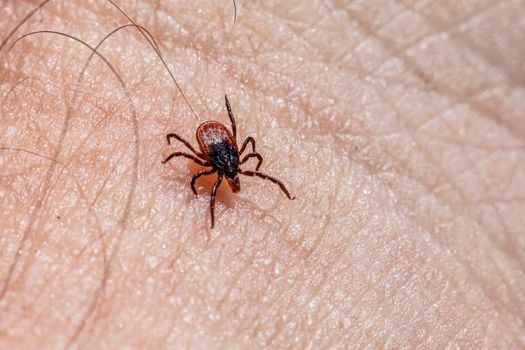
Stromectol’s primary action is against a broad spectrum of parasitic organisms, especially nematodes (roundworms) and arthropods (such as lice and mites). Its efficacy is rooted in its ability to interfere with specific neurotransmission pathways that are distinct in these organisms.
At the core, Stromectol binds to glutamate-gated chloride channels found in the nerve and muscle cells of invertebrates. These channels are critical for the normal functioning of the parasite’s nervous system. When Stromectol binds to these channels, it causes an influx of chloride ions into the cells. This results in hyperpolarization, essentially paralyzing the parasite and eventually leading to its death.
.png)
For example, in the case of Onchocerca volvulus (the parasite responsible for river blindness), this paralysis prevents the microfilariae (larval form) from migrating and surviving in human tissues. This is why a single dose of Stromectol can cause a dramatic decrease in microfilarial counts—studies have shown reductions of over 95% within seven days after treatment.
Why Stromectol Targets Parasites, Not People
A common question is: if Stromectol is so effective against the nervous systems of parasites, why doesn’t it similarly affect humans? The answer lies in both biology and pharmacology.
Humans and other mammals do not possess the glutamate-gated chloride channels that Stromectol targets. Instead, our chloride channels are primarily gated by gamma-aminobutyric acid (GABA). While Stromectol can interact with GABA-gated channels in very high concentrations, the blood-brain barrier in humans prevents the drug from reaching the central nervous system at toxic levels under normal therapeutic doses.
Additionally, mammalian peripheral nerves lack these specific glutamate-gated chloride channels, further reducing the risk of adverse effects. This selective toxicity is what makes Stromectol both potent against parasites and safe for human use, a property known as a high therapeutic index.
Stromectol’s Effects Across Different Parasites: A Comparative Overview
Not all parasites are equally susceptible to Stromectol. The drug’s efficacy can vary based on the biology of the target organism and the presence or absence of its specific molecular targets.
The following table provides an overview of Stromectol’s effectiveness against various parasites and the primary mechanism involved:
| Parasite | Disease | Primary Target | Effectiveness (Reduction in Parasite Load) |
|---|---|---|---|
| Onchocerca volvulus | River blindness | Glutamate-gated chloride channels | 95% reduction in microfilariae in 7 days |
| Strongyloides stercoralis | Strongyloidiasis | Glutamate-gated chloride channels | 80–95% cure rate in a single dose |
| Sarcoptes scabiei | Scabies | Glutamate-gated chloride channels | 85–90% clearance after two doses |
| Pediculus humanus capitis | Head lice | Glutamate-gated chloride channels | Nearly 100% cure rate in clinical studies |
| Wuchereria bancrofti | Lymphatic filariasis | Glutamate-gated chloride channels | 99% reduction in microfilariae within one month |
These numbers, drawn from clinical research published in journals like The Lancet and the New England Journal of Medicine, underline the broad and potent efficacy of Stromectol across parasitic diseases.
Pharmacokinetics: How Stromectol Moves Through the Body
Understanding the mechanism of action also requires a look at pharmacokinetics—how Stromectol is absorbed, distributed, metabolized, and excreted.
After oral administration, Stromectol is rapidly absorbed, with peak plasma concentrations reached in about 4 hours. Its bioavailability is approximately 60% when taken on an empty stomach but can increase when taken with a fatty meal. This is why doctors may recommend taking it with food, particularly for certain infections.
Stromectol is highly lipophilic, allowing it to distribute widely in body tissues, particularly in fatty tissue and the skin—key sites where many parasites reside. The drug is metabolized in the liver, primarily by the cytochrome P450 system (CYP3A4), and is excreted mostly in the feces, with less than 1% eliminated via urine.
The elimination half-life of Stromectol is about 18 hours, but the drug (and its metabolites) can be detected in the body for up to 12 days, allowing for sustained action against parasites.
Resistance and Limitations: Challenges of Stromectol’s Mechanism
While Stromectol remains highly effective, there are signs that resistance can develop in certain parasite populations. Resistance typically occurs through changes in the structure of the glutamate-gated chloride channels, making it harder for Stromectol to bind and exert its effects.
For example, studies in West Africa and Southeast Asia have identified strains of Onchocerca volvulus with reduced sensitivity to ivermectin treatment. Similarly, in veterinary medicine, cases of resistance among gastrointestinal nematodes in livestock are rising. These trends underscore the importance of monitoring drug efficacy and developing combination therapies to reduce resistance risk.
Additionally, Stromectol’s mechanism means it is ineffective against all forms of all parasites. For instance, it does not kill adult Onchocerca volvulus worms, only the microfilariae. This is why repeated or combination therapies are often necessary for complete eradication of certain infections.
Beyond Parasitic Infections: Stromectol’s Expanding Mechanistic Horizons
Recent years have seen growing interest in Stromectol’s mechanism of action for diseases beyond traditional parasitic infections. While the drug’s antiparasitic action is well-understood, new research is exploring its effects on viruses and even some cancers.
Preliminary laboratory studies suggest that Stromectol can inhibit replication of certain viruses by interfering with importin proteins, which viruses use to transport molecules into the host cell nucleus. However, these effects have yet to be proven effective in large-scale clinical trials, and the doses required may exceed those safely used in humans.
Additionally, the drug’s anti-inflammatory and immunomodulatory properties are being investigated for potential therapeutic roles in other medical conditions. However, for now, Stromectol’s primary, proven mechanism remains its powerful action against parasites via glutamate-gated chloride channels.
Final Thoughts on Stromectol’s Mechanism of Action
Stromectol’s success story is rooted in its precise targeting of unique molecular features found only in parasites. By binding to glutamate-gated chloride channels, it paralyzes and kills a wide range of invertebrate pests while sparing human hosts. Its selective action, impressive pharmacokinetics, and broad efficacy have made it a cornerstone of global public health campaigns against some of the world’s most devastating parasitic diseases. As research continues and new challenges like drug resistance emerge, a deep understanding of Stromectol’s mechanism will remain critical for optimizing its use and developing next-generation antiparasitic drugs.