Ivermectin has been the focus of intense public attention, medical research, and online debate in recent years. Originally developed as an antiparasitic medication, ivermectin has been used safely by millions of people around the globe for decades. However, as its profile has grown—particularly during the COVID-19 pandemic—so have questions about its safety and side effects. This article provides an in-depth, up-to-date look at what is scientifically known about ivermectin's safety profile, potential risks, and how it compares to other treatments. Whether you are a patient, a caregiver, or simply curious about this widely discussed medication, understanding the realities behind ivermectin’s safety and side effects is crucial.
The Basics: What Is Ivermectin and How Is It Used?
Ivermectin was first approved for human use in the late 1980s and has since become a mainstay in the treatment of a variety of parasitic infections. It is especially vital in combating diseases such as river blindness (onchocerciasis), strongyloidiasis, and lymphatic filariasis. The World Health Organization (WHO) lists ivermectin as an essential medicine, and more than 3.7 billion doses have been distributed worldwide for neglected tropical diseases.
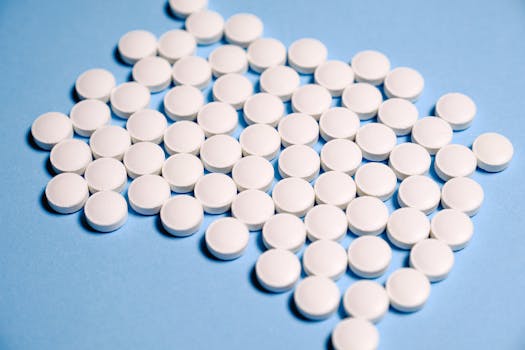
In humans, ivermectin is typically administered in oral tablet form, with dosages ranging from 150 to 200 micrograms per kilogram of body weight, depending on the specific condition being treated. While it is also used in veterinary medicine, formulations for animals are often much more concentrated and are not safe for human use.
.png)
Understanding Ivermectin’s Safety Record
Over more than three decades of use, ivermectin has established a strong safety profile when taken as directed for approved indications. According to the Mectizan Donation Program, which has overseen millions of treatments in Africa and Latin America, serious adverse effects are rare. A comprehensive review published in the American Journal of Tropical Medicine and Hygiene found that out of more than 1 billion doses distributed for onchocerciasis and lymphatic filariasis, the rate of severe adverse events was less than 1 per 1,000,000 treatments.
Common side effects of ivermectin are generally mild and may include:
- Headache - Dizziness - Nausea or vomiting - Diarrhea - Mild skin itching or rashThese effects are usually temporary and resolve without intervention. The risk of severe side effects increases if ivermectin is used inappropriately, such as at higher-than-recommended doses or in formulations meant for animals.
Serious Side Effects and Rare Risks
While ivermectin is generally safe when used as prescribed, certain populations and scenarios require special caution. Rare but serious side effects can include:
- Severe skin reactions (such as Stevens-Johnson syndrome) - Neurological effects (confusion, seizures, ataxia, or coma) - Allergic reactions (anaphylaxis) - Liver injuryCentral nervous system toxicity is a particular concern in cases of overdose. Symptoms may include tremors, difficulty walking, confusion, and in severe cases, coma. Most documented cases of severe toxicity have involved inappropriate use—such as taking large animal doses or using veterinary products.
Special attention is warranted for patients with Loa loa infection (African eye worm), where ivermectin treatment can, in rare cases, trigger potentially life-threatening encephalopathy due to the rapid killing of microfilariae. For this reason, screening and monitoring protocols are in place in affected regions.
Comparing Ivermectin’s Safety to Other Antiparasitic Drugs
How does ivermectin’s safety stack up against other common antiparasitic medications? The table below compares adverse event rates and the types of side effects seen with ivermectin and two other widely used antiparasitics: albendazole and praziquantel.
| Drug | Primary Uses | Common Side Effects | Serious Adverse Event Rate |
|---|---|---|---|
| Ivermectin | Onchocerciasis, strongyloidiasis, scabies | Headache, dizziness, nausea, rash | <1 per 1,000,000 doses |
| Albendazole | Soil-transmitted helminthiases, tapeworms | Abdominal pain, nausea, elevated liver enzymes | 1-2 per 100,000 doses |
| Praziquantel | Schistosomiasis, liver fluke infections | Abdominal discomfort, headache, dizziness | 2-3 per 100,000 doses |
As seen in the table, ivermectin has one of the lowest rates of serious adverse events among antiparasitic medications. Its side effects are generally milder, making it a preferred option in mass drug administration campaigns.
Drug Interactions and Special Precautions
Like all medications, ivermectin can interact with other drugs or medical conditions. Some important considerations include:
- $1 Ivermectin is metabolized in the liver, primarily by the CYP3A4 enzyme. Drugs that inhibit or induce this enzyme—such as certain antifungals, antibiotics, or anti-seizure medications—can affect ivermectin levels in the body. For example, co-administration with warfarin (a blood thinner) may increase the risk of bleeding. - $1 Patients with significant liver disease may be at increased risk for side effects, as impaired hepatic function can slow the breakdown of ivermectin. - $1 While animal studies have not shown major risks, the safety of ivermectin in human pregnancy has not been conclusively established. The WHO recommends avoiding its use in pregnant women for mass drug administration, except in special circumstances. - $1 Ivermectin is generally considered safe for children over 15 kg (33 lbs) and older than five years, but dosing must be carefully calculated.Always consult a healthcare professional before starting or stopping any medication, including ivermectin.
Debunking Myths: Misuse and Off-Label Use of Ivermectin
The COVID-19 pandemic brought global attention to ivermectin, with claims circulating online about its efficacy as a treatment or preventive for the virus. However, large, well-conducted clinical trials—including the TOGETHER Trial (2022) involving over 3,500 patients—found no significant benefit of ivermectin in preventing hospitalization or death from COVID-19. Public health agencies such as the FDA and WHO have issued warnings against using ivermectin for COVID-19 outside of clinical trials.
Misuse of ivermectin skyrocketed during the pandemic, with poison control centers in the United States reporting a five-fold increase in calls related to ivermectin exposure in 2021. Many of these cases involved individuals taking high doses or using veterinary formulations, leading to severe toxicity, hospitalizations, and, in rare instances, death.
The key takeaway: ivermectin is safe when used as prescribed for approved indications, but misuse—especially with animal products—poses serious health risks.
Practical Tips for Safe Ivermectin Use
If you or a loved one has been prescribed ivermectin, following these best practices can help minimize the risk of side effects:
1. $1 Never take veterinary ivermectin or formulations intended for animals. 2. $1 Take the exact amount prescribed by your doctor. Do not increase the dose or frequency without medical advice. 3. $1 Notify your healthcare provider if you experience unusual symptoms, such as vision changes, confusion, or skin reactions. 4. $1 Inform your doctor about all medications and supplements you are taking. 5. $1 Keep ivermectin out of reach of children and pets.Remember: self-medicating with ivermectin, especially for conditions like COVID-19, is not safe or effective.
Key Takeaways on Ivermectin Safety and Side Effects
Ivermectin remains one of the safest and most effective antiparasitic drugs when used appropriately. With more than 3.7 billion doses administered globally and a track record of rare serious side effects, it is a cornerstone of public health efforts against parasitic diseases. However, improper use, drug interactions, and off-label applications can increase the risk of harm. Always consult a healthcare professional for guidance and adhere strictly to prescribed usage.