Ivermectin: A Detailed Overview of Its Therapeutic Uses
Ivermectin is a medication that has earned global recognition for its remarkable effectiveness against a variety of parasitic infections. Originally introduced in the late 1970s, ivermectin’s discovery was a milestone in medical science, earning its discoverers the 2015 Nobel Prize in Physiology or Medicine. Over the decades, its role has expanded beyond its initial applications, making it a mainstay in both human and veterinary medicine. This article delves into the various therapeutic uses of ivermectin, exploring its mechanisms, approved medical applications, off-label uses, safety considerations, and the latest research trends.
The Science Behind Ivermectin’s Mechanism of Action
To fully appreciate the therapeutic versatility of ivermectin, it is important to understand how it works at the molecular level. Ivermectin belongs to the avermectin family of drugs, which are derived from the soil-dwelling bacterium Streptomyces avermitilis. Its primary mechanism involves binding to glutamate-gated chloride channels found in the nerve and muscle cells of invertebrates.
When ivermectin binds to these channels, it increases the influx of chloride ions, leading to paralysis and death of the parasite. This selective toxicity is crucial—humans and other mammals do not have these glutamate-gated chloride channels, which largely accounts for ivermectin’s safety profile in therapeutic doses. In addition, ivermectin has been shown to interact with gamma-aminobutyric acid (GABA) receptors, although these are largely confined to the central nervous system in mammals and are shielded by the blood-brain barrier.
.png)
FDA-Approved Uses: Tackling Parasitic Diseases
Ivermectin’s main claim to fame is its powerful antiparasitic activity. The U.S. Food and Drug Administration (FDA) has approved ivermectin for the treatment of several human parasitic infections, including:
1. $1: This is a debilitating disease caused by the parasitic worm Onchocerca volvulus, transmitted via blackfly bites. According to the World Health Organization (WHO), over 18 million people are infected globally, with more than 99% of cases occurring in Africa. Ivermectin is administered in mass drug administration programs, reducing transmission and preventing blindness. 2. $1: Caused by the nematode Strongyloides stercoralis, this intestinal infection can be life-threatening in immunocompromised individuals. A single dose of ivermectin has been shown to be as effective as multi-dose regimens of alternative treatments. 3. $1: This skin infestation is due to the mite Sarcoptes scabiei. Ivermectin is often prescribed when topical therapies fail, or in cases of crusted (Norwegian) scabies which are highly contagious. 4. $1: Oral ivermectin is used as a secondary treatment when topical agents do not work, especially in cases of resistance.Globally, over 3.7 billion doses of ivermectin have been distributed since its introduction, reflecting its critical role in public health.
Veterinary Uses: Safeguarding Animal Health
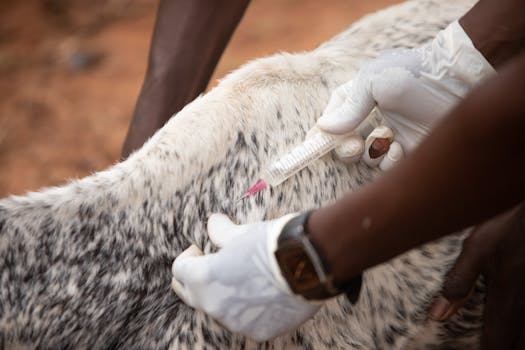
Ivermectin’s impact extends well beyond human medicine. In fact, the drug was initially developed for veterinary use and remains a cornerstone of animal health to this day. It is used to treat and prevent a wide range of parasitic infections in livestock, pets, and even wildlife.
Common veterinary uses include:
- $1 in dogs and cats, a potentially fatal disease caused by Dirofilaria immitis. - $1 in cattle, sheep, goats, and horses, which can cause weight loss, reduced milk production, and overall poor health. - $1 like mites, lice, and ticks in various animal species.Its broad spectrum of activity, low toxicity, and ease of administration have made ivermectin an indispensable tool in the global effort to improve animal welfare and agricultural productivity.
Off-Label and Investigational Uses: Emerging Frontiers
While ivermectin’s antiparasitic properties are well established, researchers have been exploring its potential in other medical conditions, leading to a number of off-label uses.
- $1: Topical ivermectin cream (1%) is FDA-approved for treating inflammatory lesions of rosacea, a chronic skin disease affecting about 5% of the global population. Clinical trials have shown significant reductions in inflammatory lesions compared to placebo and other treatments. - $1: During the COVID-19 pandemic, ivermectin was studied as a possible antiviral agent. Early laboratory studies suggested it could inhibit replication of certain viruses, including SARS-CoV-2, in cell cultures. However, large-scale clinical studies did not find sufficient evidence to support its use for COVID-19, and major health authorities such as the WHO and FDA advise against its use for this purpose outside of clinical trials. - $1: Ivermectin is under investigation for use against other neglected tropical diseases, including lymphatic filariasis, gnathostomiasis, and loiasis.The following table summarizes ivermectin’s approved and investigational uses:
| Disease/Condition | Type | Ivermectin Role | Status |
|---|---|---|---|
| Onchocerciasis | Parasitic Nematode | First-line Treatment | FDA Approved |
| Strongyloidiasis | Intestinal Worm | First-line Treatment | FDA Approved |
| Scabies | Skin Mite | Second-line Treatment | FDA Approved |
| Rosacea | Inflammatory Skin Disease | Topical Therapy | FDA Approved (topical) |
| COVID-19 | Viral Infection | Investigational | Not Approved |
| Lymphatic Filariasis | Parasitic Nematode | Mass Drug Administration | WHO Recommended |
Safety Profile and Side Effects: What You Need to Know
Ivermectin’s safety record is one of the reasons for its widespread acceptance in both human and animal health. However, like all medications, it is not completely without risks.
- $1: These include dizziness, nausea, diarrhea, mild skin rash, and muscle pain. Most symptoms are mild and resolve without intervention. - $1: Rarely, ivermectin can cause severe allergic reactions, confusion, seizures, or liver injury. These are more likely in people taking excessive doses or those with certain genetic predispositions affecting the P-glycoprotein transporter, which helps keep ivermectin out of the brain. - $1: People with severe liver disease, children under 15 kg, and pregnant or breastfeeding women should only use ivermectin under strict medical supervision. - $1: Ivermectin may interact with other medications that affect the central nervous system or are metabolized by the liver.According to a 2022 review, the incidence of serious adverse effects in mass drug administration programs is less than 1 in 1,000,000 treated individuals, highlighting its safety in public health initiatives.
Global Impact and Accessibility of Ivermectin
Ivermectin has had a transformative impact on global health, particularly in low- and middle-income countries. Its inclusion in the WHO’s List of Essential Medicines underscores its importance. Mass distribution programs for diseases like onchocerciasis and lymphatic filariasis have led to dramatic reductions in disease prevalence and associated disabilities.
- $1: In 2021, the African Programme for Onchocerciasis Control reported a 70% reduction in new cases across participating regions. - $1: Ivermectin is considered highly cost-effective. Generic versions are widely available, and the drug is often donated for public health campaigns, making it accessible even in the most resource-limited settings. - $1: Despite its benefits, challenges remain in reaching remote communities, managing drug resistance, and ensuring appropriate use to prevent misuse.Final Insights: The Evolving Therapeutic Landscape of Ivermectin
Ivermectin’s journey from a veterinary antiparasitic agent to a global health cornerstone highlights the power of scientific innovation. Its proven effectiveness against parasitic infections, low cost, and robust safety profile have made it indispensable in both human and animal medicine. While the drug has been the subject of much debate and research for potential new uses, its most significant achievements remain in the fight against neglected tropical diseases.
Future research may yet expand ivermectin’s therapeutic repertoire, but its core value lies in its ability to improve lives and prevent suffering on a massive scale. As with any medication, responsible use under medical guidance remains essential to maximize benefits and minimize risks.