The remarkable journey of ivermectin from a humble antiparasitic agent to a topic of worldwide medical interest is nothing short of extraordinary. Originally derived from a soil-dwelling bacterium, ivermectin has saved millions of lives by combating parasitic diseases that once devastated entire communities. Yet its story doesn’t end with its Nobel Prize-winning past; new research and evolving clinical perspectives are shining a light on ivermectin’s untapped potential in modern medicine. From its anti-inflammatory properties to its controversial use in viral infections, ivermectin’s multifaceted role is being re-explored by scientists and clinicians alike. In this article, we unravel the ongoing evolution of ivermectin, examining its established uses, emerging scientific evidence, and the pressing questions that will define its future in global healthcare.
Ivermectin: A Brief History and Its Medical Milestones
Discovered in the late 1970s by Dr. Satoshi Ōmura and Dr. William C. Campbell, ivermectin was initially celebrated for its effectiveness against parasitic worms. The drug’s introduction revolutionized the treatment of diseases like onchocerciasis (river blindness) and lymphatic filariasis, particularly in low-income countries. By 2023, more than 3.7 billion doses of ivermectin had been distributed through mass drug administration programs worldwide, according to the World Health Organization (WHO).
Ivermectin’s ability to disrupt the nervous system of invertebrates, rendering parasites paralyzed and ultimately killing them, made it uniquely effective and safe for human use. Its safety profile—characterized by a low incidence of serious adverse effects—enabled large-scale campaigns that nearly eradicated river blindness in some regions. In 2015, the Nobel Prize in Physiology or Medicine was awarded to Ōmura and Campbell, cementing ivermectin’s place in medical history.
.png)
Beyond Parasites: Investigating Ivermectin’s Anti-Inflammatory and Antiviral Potential
While ivermectin’s antiparasitic uses are well-established, recent research points to intriguing new possibilities. Laboratory studies have demonstrated that ivermectin possesses anti-inflammatory properties, with the potential to modulate immune responses. For instance, a 2020 analysis published in the journal "Pathogens" noted that ivermectin inhibited the production of pro-inflammatory cytokines in vitro, which could have implications for conditions characterized by excessive inflammation.
Perhaps most controversially, ivermectin has been investigated as a potential antiviral agent. In 2020, Australian researchers found that ivermectin inhibited SARS-CoV-2 (the virus responsible for COVID-19) replication in cell cultures. The results, published in "Antiviral Research," showed a 99.8% reduction in viral RNA within 48 hours. However, these findings were limited to laboratory settings; the concentrations required for antiviral effects were much higher than what is safely achievable in humans.
Subsequent clinical trials produced mixed results. For example, a 2022 meta-analysis in "JAMA" reviewed 31 randomized clinical trials on ivermectin for COVID-19 and found no significant benefit in reducing mortality or hospitalizations compared to placebo. Regulatory agencies such as the U.S. Food and Drug Administration (FDA) and the European Medicines Agency (EMA) have since advised against using ivermectin for COVID-19 outside of clinical trials.
Ivermectin in Dermatology and Other Off-Label Uses
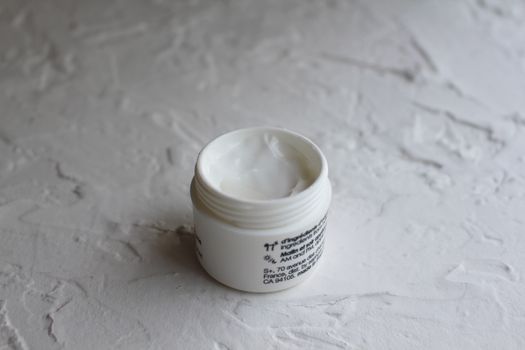
Ivermectin’s effectiveness is not limited to internal parasites. Its topical formulation has gained FDA approval for treating rosacea, a chronic skin condition affecting over 16 million Americans. Clinical trials have demonstrated that topical ivermectin reduces inflammatory lesions and skin redness more effectively than placebo and is comparable to traditional therapies such as metronidazole.
In addition to rosacea, ivermectin is sometimes used off-label for scabies and head lice, especially in cases where standard treatments have failed or are not tolerated. A 2018 study in "The New England Journal of Medicine" found that oral ivermectin cured scabies in 74% of patients after two doses, compared to a 67% cure rate with topical permethrin.
Researchers are also investigating ivermectin’s role in treating other conditions, such as demodicosis (overgrowth of skin mites) and even certain viral infections beyond COVID-19, such as dengue fever or Zika, but conclusive evidence in these areas remains limited.
Comparing Ivermectin with Other Antiparasitic Agents
Understanding ivermectin’s unique benefits and limitations is easier when compared to other mainstream antiparasitic drugs. The table below provides an overview of key characteristics for three common agents: ivermectin, albendazole, and praziquantel.
| Drug | Main Indications | Mechanism of Action | Common Side Effects | Global Usage (Annual Doses, 2022) |
|---|---|---|---|---|
| Ivermectin | Onchocerciasis, lymphatic filariasis, scabies, rosacea, head lice | Paralyzes and kills invertebrates by targeting glutamate-gated chloride channels | Itching, mild gastrointestinal symptoms, rare neurological effects | ~300 million |
| Albendazole | Soil-transmitted helminthiases, neurocysticercosis, echinococcosis | Inhibits microtubule synthesis in parasites | Abdominal pain, headache, elevated liver enzymes | ~200 million |
| Praziquantel | Schistosomiasis, liver flukes, tapeworms | Increases parasite membrane permeability to calcium ions | Mild abdominal discomfort, dizziness, headache | ~250 million |
This comparison highlights how ivermectin’s mechanism, safety profile, and broad spectrum of action have contributed to its widespread adoption, even as it shares the global stage with other important drugs.
Safety, Resistance, and the Future of Ivermectin Research
Despite its established safety in humans, ivermectin is not without risks. The drug’s side effects, while generally mild, can include dizziness, itching, and gastrointestinal upset. Serious adverse events are rare, but may occur in patients with certain parasitic infections, such as Loa loa, due to a sudden release of parasite antigens.
Another growing concern is the potential for drug resistance. Reports have emerged of ivermectin resistance in both human and veterinary medicine. For example, resistance among scabies mites and gastrointestinal nematodes in livestock has been documented. According to a 2021 review in "Trends in Parasitology," overuse and mass drug administration without adequate monitoring can accelerate resistance, threatening the long-term efficacy of this critical medicine.
To address these challenges, global health authorities are investing in research aimed at optimizing dosing strategies, combining ivermectin with other drugs, and developing new formulations. Researchers are also exploring the drug’s potential in treating neglected tropical diseases and investigating its anti-inflammatory and immunomodulatory effects in a variety of conditions.
Ethical, Regulatory, and Societal Considerations in Ivermectin’s Use
The intense public debate surrounding ivermectin—particularly during the COVID-19 pandemic—exposed gaps in science communication and regulatory oversight. Widespread misinformation led to self-medication and increased demand for veterinary formulations, resulting in poisonings and shortages.
Medical societies emphasize the importance of evidence-based practice. Both the FDA and WHO recommend using ivermectin only for approved indications or within clinical trials for new uses. Regulatory agencies continue to monitor safety data and update guidance as new evidence emerges.
On the societal front, ivermectin’s affordability (with generic oral tablets costing as little as $0.12 per dose in some countries) and ease of administration make it an attractive tool for mass treatment campaigns. Ensuring equitable access while safeguarding against misuse will be essential as new applications for ivermectin are developed.
Unraveling the Potential of Ivermectin: What Lies Ahead?
Ivermectin’s journey is a testament to the power of medical innovation and the ongoing quest to repurpose trusted drugs for new challenges. While its antiparasitic track record is beyond dispute, the scientific community is only beginning to unravel the breadth of its potential in modern medicine. From its promising anti-inflammatory effects to the ongoing research into antiviral properties, ivermectin’s future will be shaped by rigorous science, responsible stewardship, and global collaboration.
As new data emerges, patients and healthcare providers alike should remain guided by evidence-based recommendations. The coming years may reveal even more about this remarkable medicine—expanding its legacy from the battle against parasites to new frontiers in human health.