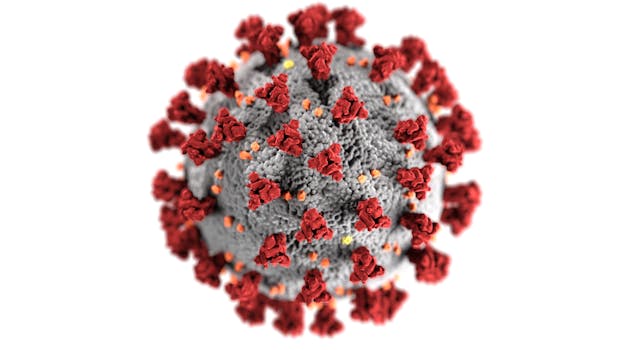
Ivermectin is a name that has appeared frequently in medical news over the last several years. Originally developed as a treatment for parasitic infections, this decades-old medication has garnered renewed interest for its potential applications across a broad spectrum of diseases. From fighting river blindness in Africa to being studied as a possible treatment for viral infections, ivermectin is a drug that continues to surprise medical professionals with its versatility. In this article, we’ll explore the fascinating journey of ivermectin, its established uses, emerging research, safety considerations, and what the future might hold for this multifaceted medication.
The Origins of Ivermectin: A Breakthrough in Parasitic Disease Control
Ivermectin was first discovered in the late 1970s by Japanese microbiologist Satoshi Ōmura and American parasitologist William Campbell. Derived from a microorganism found in Japanese soil, the drug was developed by Merck & Co. and introduced to the market in the early 1980s. Its initial purpose was to combat parasitic worms in veterinary medicine, but soon, its effectiveness in treating human diseases became apparent.
The most notable application of ivermectin is in the fight against onchocerciasis, commonly known as river blindness. This disease, caused by the parasitic worm $1, has historically affected millions in sub-Saharan Africa. According to the World Health Organization (WHO), ivermectin has been distributed in mass drug administration campaigns, reaching over 300 million people annually in efforts to eradicate the disease. Its impact has been so profound that Ōmura and Campbell received the Nobel Prize in Physiology or Medicine in 2015 for their discovery.
.png)
Beyond river blindness, ivermectin is also a frontline treatment for lymphatic filariasis, another debilitating parasitic infection. Its ease of administration—typically as a single oral dose once or twice a year—makes it an ideal choice for large-scale public health campaigns.
Expanding Horizons: Ivermectin in Veterinary and Human Medicine
While ivermectin’s initial fame came from its success in human health, its versatility extends deeply into veterinary medicine. Since its introduction, it has become a staple for controlling a wide range of internal and external parasites in animals, including roundworms, mites, and lice.
In human medicine, ivermectin has expanded far beyond its original use. It is now approved for treating several other parasitic diseases, such as strongyloidiasis (an intestinal worm infection) and scabies (a skin infestation caused by mites). The Centers for Disease Control and Prevention (CDC) lists ivermectin as an essential medication for travelers to certain tropical regions, where exposure to parasites is common.
The safety profile of ivermectin is also noteworthy. When used as directed, it is well-tolerated, with side effects (such as mild itching or gastrointestinal upset) occurring in less than 10% of patients. Severe reactions are rare, making it suitable for widespread use in both resource-rich and resource-poor settings.
Ivermectin as a Broad-Spectrum Agent: Beyond Parasites
One of the most fascinating aspects of ivermectin is its broad-spectrum activity. While designed to target invertebrate nervous systems, studies have shown that ivermectin may have activity against a variety of pathogens, including some viruses and even certain types of bacteria. This has led to a surge of research into its potential for treating diseases beyond those caused by parasites.
For example, laboratory studies have demonstrated that ivermectin can inhibit the replication of several viruses in cell cultures, including dengue, Zika, and even SARS-CoV-2, the virus responsible for COVID-19. These findings sparked interest in repurposing the drug during the COVID-19 pandemic. However, large-scale clinical trials have yielded mixed results, and major health organizations, including the U.S. Food and Drug Administration (FDA) and WHO, currently do not recommend ivermectin for COVID-19 outside clinical trials.
In addition to its antiviral activity, ivermectin has been investigated for its potential anti-inflammatory and anticancer properties. Some early research suggests that it may modulate immune responses or disrupt cancer cell growth, but these applications remain experimental and require further study.
Comparative Overview: Ivermectin’s Role in Disease Management
To better understand ivermectin’s versatility, it’s helpful to compare its established uses with emerging and experimental applications. The table below highlights some of the diseases where ivermectin has a role, either as a standard treatment or under investigation:
| Disease/Condition | Status of Ivermectin Use | Key Facts |
|---|---|---|
| Onchocerciasis (River Blindness) | Standard, approved treatment | Over 300 million people treated annually |
| Lymphatic Filariasis | Standard, approved treatment (in combination with other drugs) | WHO targets global elimination using ivermectin-based regimens |
| Scabies | Standard, approved treatment | Effective as oral or topical medication |
| Strongyloidiasis | Standard, approved treatment | Recommended by CDC and WHO |
| COVID-19 | Investigational; not approved for this use | Mixed evidence; not recommended by FDA/WHO outside clinical trials |
| Dengue, Zika, Other Viruses | Experimental; laboratory studies | Antiviral effects observed in vitro but not yet proven in humans |
| Cancer | Experimental; early-stage research | Potential anti-tumor effects being investigated |
Safety, Side Effects, and Public Health Considerations
One of the primary reasons for ivermectin’s widespread use is its favorable safety profile. In over four decades of use, particularly in mass drug administration programs, serious side effects have been rare. The most common adverse effects are mild and self-limiting, such as headache, dizziness, nausea, or skin rash. Severe neurological or allergic reactions are extremely uncommon, occurring in less than 1 in 1,000,000 treatments.
However, safety concerns can arise in specific circumstances. For instance, when treating individuals with heavy $1 worm infections, ivermectin can sometimes cause severe neurological complications. This has prompted careful screening and monitoring in regions where $1 is prevalent.
Self-medication and misuse are other public health issues, especially highlighted during the COVID-19 pandemic. Some people have taken veterinary formulations or incorrect dosages, leading to poisoning and hospitalizations. The FDA has issued warnings against such practices, emphasizing that ivermectin should only be used under professional medical supervision.
The Future of Ivermectin: Research and Responsible Use
The story of ivermectin is far from over. As scientists continue to discover new properties and potential uses for the drug, research is ongoing in several exciting directions:
- $1: Clinical trials are underway to better understand if and how ivermectin can be safely and effectively used to treat viral infections. - $1: Laboratory and animal studies suggest possible roles for ivermectin in disrupting cancer cell growth or enhancing the effects of chemotherapy. - $1: Ivermectin remains a pillar in the global fight against neglected tropical diseases, with ongoing efforts to integrate its use with other public health interventions.It’s important to note that while ivermectin has shown promise in various experimental settings, the gold standard for any new application is a large-scale, well-conducted clinical trial. Only through such rigorous research can new uses be safely introduced to the public.
Conclusion
Ivermectin’s journey from a soil-derived molecule to a global health cornerstone is a testament to the power of scientific discovery and its impact on human well-being. Its role in the fight against parasitic diseases is well-established, and its potential for broader applications continues to be explored. However, responsible use, guided by evidence and professional oversight, remains crucial. As research advances, ivermectin may yet reveal more surprises, cementing its place as one of the most versatile medicines of our time.