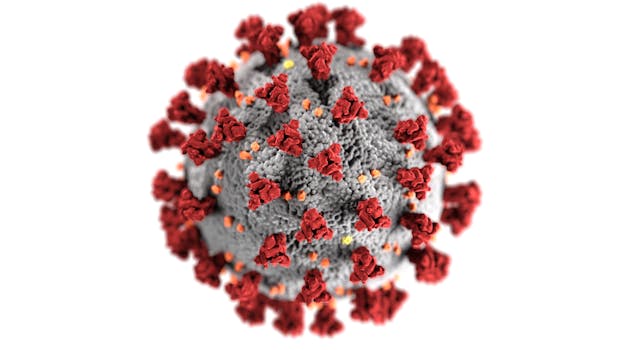
Stromectol, also known by its generic name ivermectin, has long been recognized for its effectiveness in treating parasitic infections, such as onchocerciasis (river blindness) and lymphatic filariasis. This article delves into the ongoing clinical trials examining the broader applications of Stromectol, particularly its potential role in combating viral infections, including COVID-19.
Historical Background and Mechanism of Action
Developed in the 1970s, Stromectol has demonstrated significant efficacy in reducing the incidence of debilitating parasitic diseases. The drug operates by paralyzing and ultimately killing the parasites and their larvae, providing a robust defense against these infections.
.png)
Exploration in Viral Infections
Recent years have seen a pivot towards investigating Stromectol's potential against viral infections. The COVID-19 pandemic especially spurred numerous studies after initial lab research suggested that Stromectol could inhibit the replication of SARS-CoV-2, the virus responsible for COVID-19.
Clinical Trials for COVID-19
The clinical trials targeting COVID-19 have yielded mixed outcomes. Some studies indicated that Stromectol might decrease the severity and duration of symptoms in mild to moderate cases. Conversely, other studies did not demonstrate a significant benefit over standard care or placebo. The variance in results across these trials can be attributed to factors such as study design, dosage, sample size, and patient demographics.
Broader Viral Applications
Beyond COVID-19, ongoing research is investigating Stromectol's effectiveness against other viruses, such as dengue fever. While initial results are promising, more extensive studies are required to confirm these findings and to optimize dosing protocols.
Safety and Usage
Stromectol's safety profile is relatively well-established due to its long-standing use in treating parasitic infections. Typical side effects include dizziness, nausea, itching, and rash. Nevertheless, it is imperative to consult healthcare professionals before using Stromectol, particularly for non-approved applications like treating viral infections.
Future Research and Implications
The continued exploration into Stromectol’s utility in treating viral infections is essential. More comprehensive data from ongoing and future clinical trials will help clarify the drug’s efficacy and safety in these new roles. This research is especially critical in the face of emerging diseases and the global community's need for effective therapeutic options.
Conclusion
Stromectol continues to be a key player in combating parasitic diseases and shows promise in expanding to treat viral infections. The varying results from clinical trials involving COVID-19 and other viruses underscore the need for further investigation. With continued research, the medical community hopes to better understand the potential and limitations of Stromectol in treating a broader array of diseases, thereby harnessing its full therapeutic potential.