Unraveling the Potential of Ivermectin in Modern Medicine
Ivermectin, a medication discovered over four decades ago, has long been celebrated for its powerful role in combating parasitic infections. While its impact on diseases like river blindness and strongyloidiasis is well established, recent years have seen a surge of interest in Ivermectin’s broader potential within modern medicine. From emerging antiviral applications to its possible role in cancer therapy and dermatology, Ivermectin’s story is evolving rapidly. This article delves into the latest research, untapped uses, and the scientific underpinnings driving Ivermectin’s renaissance in the 21st century.
The Historical Journey: From Veterinary Wonder to Human Medicine
Ivermectin was first introduced in 1981 as a breakthrough veterinary antiparasitic agent. Its effectiveness in animals quickly translated to human medicine, especially after the World Health Organization (WHO) recommended it for mass administration to combat onchocerciasis (river blindness) and lymphatic filariasis. By 2020, over 3.7 billion doses had been distributed globally, making it one of the most widely used medicines in public health campaigns.
The Nobel Prize in Physiology or Medicine was awarded in 2015 to Drs. Satoshi Ōmura and William C. Campbell for the discovery and development of Ivermectin, underscoring its monumental impact. Yet, as the drug’s success in parasitology became clear, researchers began probing its other pharmacological properties—ushering in a new era of exploration.
.png)
Ivermectin Beyond Parasites: Exploring Antiviral and Antibacterial Activity
One of the most exciting fronts in Ivermectin research is its potential against viral and bacterial pathogens. Laboratory studies have shown that Ivermectin can inhibit the replication of several viruses by interfering with their ability to transport proteins into the host cell nucleus.
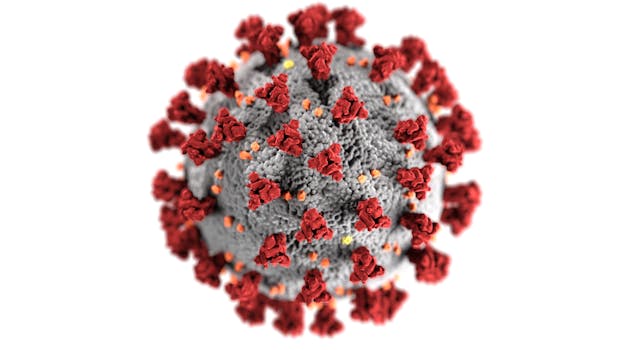
For instance, a 2020 study published in the journal Antiviral Research found that Ivermectin inhibited SARS-CoV-2 replication in vitro by 99.8% within 48 hours. While these findings stirred public and scientific curiosity, it’s important to note that the concentrations used in the laboratory are much higher than those achievable in humans with approved dosing. Large-scale clinical trials have produced mixed results regarding its effectiveness in treating COVID-19, and major health organizations, including the WHO and FDA, currently advise against its use for this purpose outside clinical studies.
Apart from coronaviruses, Ivermectin has shown activity against flaviviruses like dengue and Zika, as well as the West Nile virus. Its antibacterial potential is also under study, with early evidence suggesting it can inhibit the growth of certain bacteria, particularly those involved in skin and soft tissue infections.
Ivermectin in Dermatology: New Uses for an Old Drug
Ivermectin’s anti-inflammatory and antiparasitic properties have made it a valuable asset in dermatology. In 2014, the FDA approved a topical formulation of Ivermectin (1% cream) for the treatment of rosacea, a chronic skin condition affecting over 16 million Americans.
Clinical trials demonstrated that patients using Ivermectin cream experienced: - A 76% reduction in inflammatory lesions after 12 weeks, compared to 50% with placebo. - Noticeably lower rates of skin irritation versus older topical treatments like metronidazole.Beyond rosacea, Ivermectin is being explored for head lice, scabies, and even as an adjunct treatment in demodicosis—a condition caused by overgrowth of Demodex mites on the skin.
Emerging Horizons: Ivermectin in Cancer Research
Perhaps the most intriguing area of current research is Ivermectin’s potential as an anticancer agent. Laboratory studies have shown that Ivermectin can induce cell death (apoptosis) in various cancer cell lines, including leukemia, ovarian, and breast cancer.
A 2017 study published in Biochemical and Biophysical Research Communications found that Ivermectin could slow the proliferation of breast cancer cells by inhibiting the WNT-TCF signaling pathway, which is implicated in cell growth and tumor progression. Early animal studies are promising, but clinical trials in humans remain in the preliminary stages.
Researchers are particularly interested in Ivermectin’s ability to: - Modulate immune system responses within the tumor microenvironment. - Enhance the effectiveness of existing chemotherapy agents. - Overcome drug resistance in certain cancer types.While these advances are exciting, it is crucial to emphasize that Ivermectin is not yet approved for cancer treatment, and much more research is needed to determine its safety and efficacy in this context.
Comparative Overview: Ivermectin’s Expanding Therapeutic Landscape
To better understand how Ivermectin’s uses are evolving, let’s compare its established and emerging applications in medicine:
| Condition | Status | Evidence | Common Dosage/Route |
|---|---|---|---|
| Onchocerciasis (River Blindness) | Approved | Numerous large-scale clinical trials; billions of doses distributed | Oral, 150-200 mcg/kg |
| Strongyloidiasis | Approved | Meta-analyses show cure rates of 80-100% | Oral, single dose of 200 mcg/kg |
| Rosacea | Approved (topical) | Randomized controlled trials; significant symptom reduction | Topical cream, 1% once daily |
| COVID-19 | Experimental | Mixed results; not FDA/WHO approved outside trials | Oral, varies in studies |
| Cancer (various types) | Experimental | Lab and animal studies; human trials ongoing | Currently experimental |
| Dengue, Zika, West Nile | Experimental | In vitro and early animal models | Currently experimental |
Mechanisms of Action: Why Is Ivermectin So Versatile?
Ivermectin’s versatility stems from its unique mechanisms of action. In parasitic infections, it binds to glutamate-gated chloride channels, causing paralysis and death of the parasite. However, its effects go far beyond this primary mechanism.
In viral diseases, Ivermectin appears to block the importin α/β-mediated nuclear import of viral proteins, disrupting viral replication. In cancer, it can modulate cell signaling pathways, trigger programmed cell death, and inhibit angiogenesis (the formation of new blood vessels feeding tumors).
Additionally, Ivermectin’s anti-inflammatory properties are gaining recognition. It can suppress the production of pro-inflammatory cytokines, potentially benefiting conditions characterized by immune dysregulation.
Safety Profile and Global Access
Ivermectin is generally considered safe when used as directed. Over 3.7 billion doses have been administered globally, with a low incidence of serious side effects. The most common adverse reactions are mild, including itching, dizziness, and gastrointestinal discomfort.
Rare, but potentially severe, side effects include neurotoxicity and allergic reactions, particularly in individuals with heavy parasitic infections or impaired liver function. It is crucial for patients to follow medical advice and avoid self-medicating, especially with unverified formulations.
Ivermectin is included in the WHO Model List of Essential Medicines, making it accessible in over 100 countries and a cornerstone of global health initiatives.
Conclusion: The Next Chapter for Ivermectin
From its origins as a veterinary antiparasitic to its role in combating human parasitic diseases, Ivermectin has transformed millions of lives. Today, as researchers peel back new layers of its pharmacological potential, Ivermectin stands at the threshold of broader medical relevance. Whether as an antiviral, a dermatological therapy, or a future adjunct in cancer management, its journey is far from over.
Yet, the path forward requires rigorous science. While laboratory findings are promising, translating these results into safe, effective human therapies demands careful clinical evaluation. As the medical community continues to unravel Ivermectin’s secrets, its legacy as a public health triumph remains secure—now with the tantalizing prospect of new chapters yet to be written.