Stromectol, known generically as ivermectin, is a medication primarily used to treat a variety of parasitic infections. While its efficacy in combating parasites such as those causing river blindness (onchocerciasis) and lymphatic filariasis is well-established, its potential for disease prevention in other areas continues to be a topic of scientific inquiry and debate.
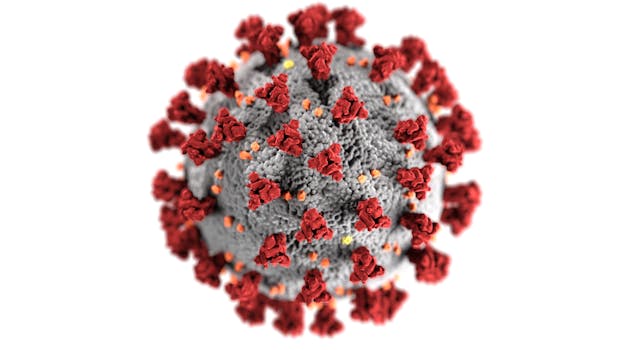
Ivermectin functions by paralyzing and ultimately killing the parasites. This mechanism has been effective in drastically reducing the incidence of debilitating parasitic diseases, particularly in regions like sub-Saharan Africa. Given its success, researchers have explored the possibility of ivermectin also having antiviral properties. This interest significantly increased during the COVID-19 pandemic when early laboratory studies suggested that ivermectin might inhibit the replication of SARS-CoV-2. However, subsequent clinical trials have yielded mixed outcomes, leading organizations such as the FDA and WHO to recommend against its use for COVID-19 outside controlled clinical settings, citing a lack of sufficient evidence for its effectiveness and concerns over safety at the dosages required for antiviral action.
In addition to its potential antiviral applications, ivermectin is being researched for its ability to reduce the transmission of malaria. This is based on its capability to kill mosquitoes that feed on individuals who have been treated with the drug. If effective, this could serve a dual purpose in regions affected by both parasitic diseases and malaria.
.png)
Despite these possibilities, the use of ivermectin as a preventive tool in diseases other than parasitic infections is contentious. One major concern is the development of resistance. Resistance to ivermectin has been noted in some parasites affecting animals, and there is a risk that widespread human use could accelerate this issue. Additionally, while ivermectin has a generally favorable safety profile at conventional doses for treating parasitic infections, higher doses, potentially required for treating viral infections, have been associated with more serious side effects, including neurotoxicity.
The cost-effectiveness of using ivermectin for disease prevention also warrants consideration. Although the drug itself is relatively inexpensive, the broader implementation of ivermectin as a preventive measure could entail significant costs, particularly if the benefits remain unproven.
In summary, while Stromectol (ivermectin) has demonstrated substantial benefits in the treatment of certain parasitic diseases, its effectiveness as a preventive measure for other diseases is still under investigation. The intriguing possibility of ivermectin contributing to the control of diseases like malaria and some viral infections exists, but more conclusive evidence is required to support widespread use. Public health policies should continue to be based on robust scientific data, weighing the potential benefits against risks and costs. Ongoing research and the outcomes of current studies will be crucial in determining the future role of ivermectin in disease prevention.