Stromectol: A Potential Game-Changer in Global Health
Stromectol, the brand name for the generic drug ivermectin, has been making waves in the global health sector due to its efficacy in treating a variety of parasitic infections. Originally developed for animal health in the 1980s, its application in human medicine has significantly broadened, especially in combating diseases like onchocerciasis (river blindness) and lymphatic filariasis.
How Stromectol Works
.png)
Stromectol targets parasites by paralyzing and ultimately killing them. Approved for human use shortly after its introduction in veterinary medicine, it has become a cornerstone in the fight against diseases that plague tropical and subtropical regions.
Impact on Parasitic Diseases
Stromectol's role in reducing diseases such as river blindness in Africa is profound. Its effectiveness has led to significant decreases in new cases, contributing to global efforts led by organizations like the World Health Organization (WHO) to eliminate such diseases as public health concerns.
Beyond Traditional Uses
Recent research extends the potential uses of Stromectol to other parasitic infections like intestinal strongyloidiasis and scabies. This broad-spectrum capability means it can potentially replace multiple treatments with a single drug, simplifying healthcare delivery and reducing costs.
Emerging Research and Viral Infections
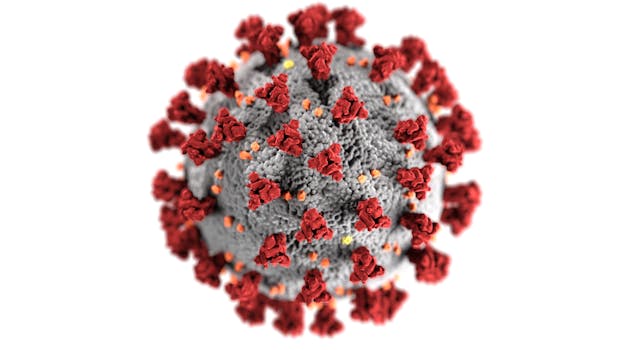
During the COVID-19 pandemic, preliminary studies investigated Stromectol's utility as an antiviral. While results are inconclusive, and further research is necessary, this potential makes Stromectol a candidate for treating a wider array of diseases.
Safety and Cost-Effectiveness
Stromectol is generally well-received by patients, exhibiting a favorable safety profile with mostly mild side effects. Its affordability and the philanthropic efforts of companies like Merck, which has donated hundreds of millions of doses for disease eradication programs, enhance its suitability for large-scale health initiatives in low-resource settings.
Challenges and Considerations
Despite its benefits, Stromectol faces challenges such as drug resistance, particularly in regions with extensive long-term use. Additionally, it is not recommended for everyone, including pregnant women and those with certain health conditions, necessitating careful consideration in its deployment.
Conclusion
Stromectol's efficacy against a variety of parasitic infections, potential in viral disease management, safety, and cost-effectiveness earmark it as a revolutionary tool in global health. While challenges exist, strategic use and ongoing research could maximize its benefits, making it a cornerstone in enhancing global health outcomes. As the global health community continues to explore and expand its uses, Stromectol stands out as a significant contributor to combating infectious diseases worldwide.