Ivermectin: An In-depth Study of Its Mode of Action
Ivermectin is a medication that has dramatically transformed the treatment of parasitic infections in both humans and animals. Since its discovery in the late 1970s, ivermectin has been lauded for its efficacy, safety profile, and broad-spectrum use against a range of parasites, leading to its inclusion in the World Health Organization's List of Essential Medicines. But what exactly makes ivermectin so effective? The answer lies in its unique and specific mode of action. This article delves into the molecular mechanisms behind ivermectin's success, examining how it targets parasites, its selectivity, and why resistance can sometimes occur.
The Science Behind Ivermectin’s Discovery and Development
Ivermectin was first derived from avermectins, compounds isolated from the bacterium Streptomyces avermitilis. In 1979, Dr. Satoshi Ōmura and Dr. William C. Campbell discovered these compounds, leading to the development of ivermectin as a medicine. The drug was first used in veterinary medicine in 1981 and approved for human use in 1987, most notably for the treatment of river blindness (onchocerciasis).
By 2015, over 2.7 billion doses had been distributed globally, mainly targeting parasitic diseases like onchocerciasis and lymphatic filariasis. The Nobel Prize in Physiology or Medicine was awarded to Ōmura and Campbell in 2015, underscoring the significance of ivermectin’s impact. The key to its broad success lies in a mode of action that is both highly effective against invertebrate parasites and remarkably safe for humans.
.png)
How Ivermectin Kills Parasites: The Molecular Mechanism
Ivermectin’s primary mode of action is to disrupt the nervous system of invertebrate parasites. It does this by binding to glutamate-gated chloride channels, a type of ion channel found in the nerve and muscle cells of many invertebrates, but absent in mammals.
When ivermectin binds to these channels, it causes them to remain open, allowing chloride ions to flood into the cells. This hyperpolarizes the cell membrane, rendering the nerve or muscle cell unable to fire. The result is paralysis and death of the parasite.
Key Points: - Ivermectin binds specifically to glutamate-gated chloride channels. - These channels are abundant in nematodes and arthropods (e.g., roundworms, lice, mites). - Overstimulation of the channels leads to paralysis and death of the parasite.What makes this mechanism so effective is its selectivity. Mammals, including humans, do not have glutamate-gated chloride channels in their nervous systems. Instead, they have a different set of neurotransmitter receptors. While ivermectin can interact weakly with some mammalian GABA (gamma-aminobutyric acid) receptors, the drug does not cross the blood-brain barrier efficiently, making it safe at therapeutic doses.
Ivermectin’s Selectivity: Why It’s Safe for Humans but Deadly for Parasites
One of the most remarkable features of ivermectin is its selectivity. The drug’s structure allows it to target invertebrate parasites while sparing mammals, including humans. This selectivity is due to several factors:
1. $1: Glutamate-gated chloride channels are not found in humans. The closest equivalent in humans, the GABA-gated chloride channel, is located mainly in the central nervous system, which is protected by the blood-brain barrier. 2. $1: Ivermectin is a large, lipophilic molecule, which means it does not easily cross the blood-brain barrier. This prevents it from reaching high concentrations in the human brain, minimizing the risk of neurotoxicity. 3. $1: The effective dose for killing parasites is much lower than the dose that would affect humans. For example, the typical oral dose for onchocerciasis in humans is 150 micrograms per kilogram, well below toxic levels.Studies have shown that the safety margin for ivermectin is at least 10- to 100-fold in humans, which is why side effects are generally mild and infrequent when the drug is used as prescribed.
Comparison of Ivermectin’s Action in Parasites vs. Mammals
To illustrate how ivermectin operates differently in target parasites versus mammals, consider the following comparison:
| Feature | Parasites (Nematodes/Arthropods) | Mammals (Humans) |
|---|---|---|
| Main Nervous System Target | Glutamate-gated chloride channels | GABA-gated chloride channels |
| Presence of Target Channels | Abundant | Limited (mainly in CNS) |
| Access to Target Site | Direct | Restricted by blood-brain barrier |
| Effect of Ivermectin | Paralysis and death | Minimal at therapeutic doses |
| Typical Dose (oral, per kg) | 0.2-0.4 mg | 0.15-0.2 mg |
This table highlights the key differences that explain ivermectin’s therapeutic window and safety profile.
Beyond Nematodes: Ivermectin’s Broader Spectrum of Activity
While ivermectin is best known for its action against nematodes (roundworms), its spectrum of activity is broader. The drug is also effective against many arthropods, including mites and lice, because they too possess glutamate-gated chloride channels.
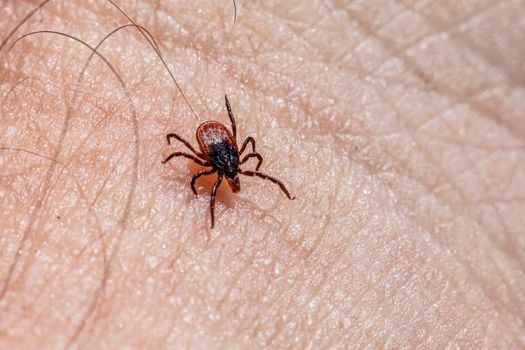
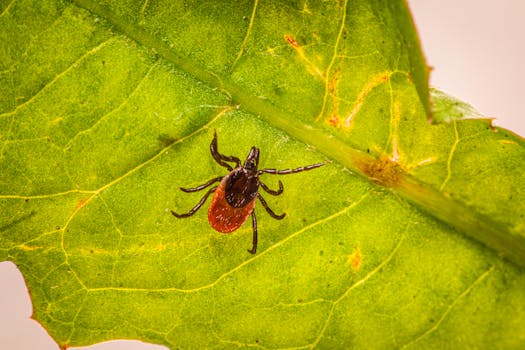
For instance, ivermectin is widely used to treat scabies and head lice. In veterinary medicine, it is a mainstay for controlling mites, ticks, and certain insect infestations in livestock and pets.
However, ivermectin is not effective against all types of parasites. It does not work against protozoa (such as the malaria parasite Plasmodium) or bacteria because these organisms lack the specific ion channels that ivermectin targets.
Interesting Fact: In a large-scale study in Africa, distribution of ivermectin for onchocerciasis also led to a significant drop in cases of scabies and lice, demonstrating its collateral benefits on community health.
Mechanisms of Resistance: When Ivermectin Loses Its Power
Like many other antimicrobial agents, ivermectin’s effectiveness can be diminished by the development of resistance in target organisms. Resistance is especially concerning in veterinary practice, where the drug is used extensively.
Mechanisms of resistance include: - $1 in the glutamate-gated chloride channel, reducing ivermectin binding. - $1 via transport proteins, which pump ivermectin out of parasite cells. - $1, breaking down ivermectin before it can act.For example, studies among gastrointestinal nematodes in livestock show that resistance to ivermectin has increased steadily. In one Australian study, resistance rates among sheep nematodes rose from less than 5% in the 1990s to over 40% by 2010.
In humans, resistance is less common but is being closely monitored, especially in the context of mass drug administration programs.
New Research: Exploring Alternative Modes and Future Uses
Recent research has explored whether ivermectin has additional modes of action, particularly at higher concentrations or in different organisms. There is ongoing investigation into its potential antiviral or anti-inflammatory effects, though these uses remain controversial and are not yet fully understood.
Some laboratory studies have shown that ivermectin can inhibit the replication of certain viruses in cell cultures, but these concentrations are much higher than those achieved in human treatment. As such, the clinical relevance is still debated.
Furthermore, researchers are exploring the development of new derivatives of ivermectin that may overcome resistance and expand its range of action.
Final Thoughts on Ivermectin’s Mode of Action
Ivermectin’s revolutionary impact on global health is rooted in its unique mode of action: it safely paralyzes and kills parasites by targeting specific ion channels not found in humans. Its selectivity, broad spectrum, and strong safety record have made it indispensable in the fight against parasitic diseases. However, vigilance is required to prevent resistance and ensure that this vital medicine remains effective for generations to come. As research continues, we may yet discover new applications and mechanisms that further extend ivermectin’s legacy in medicine.