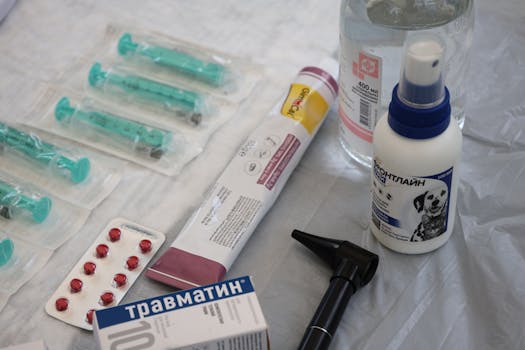
Understanding the Impact of Ivermectin (Stromectol) in Veterinary Medicine
Ivermectin, marketed as Stromectol, is a critical component in the field of veterinary medicine, recognized for its potent antiparasitic properties. Since its discovery in the 1970s, this medication has been instrumental in preventing and treating a myriad of parasitic infections in animals, enhancing both their health and welfare.
How Stromectol Works
.png)
Ivermectin functions by disrupting the nerve and muscle function of parasites, causing paralysis and death. This action is crucial in combating parasites across different stages of their life cycle, rendering Stromectol an effective treatment for a variety of parasitic issues.
Key Applications in Veterinary Medicine
- Heartworm Prevention: Stromectol is pivotal in preventing heartworm disease, a potentially lethal condition affecting pets such as dogs and cats. It kills the larval heartworms, preventing them from maturing and causing significant health issues.
- Treatment of Mites and Lice: Stromectol effectively treats mange and other infestations caused by mites and lice in pets, addressing severe skin conditions and discomfort.
- Control of Internal Worms: Its application extends to controlling internal parasitic worms in livestock, thereby supporting the health and productivity of animals like cattle, sheep, and pigs.
Forms and Administration
Stromectol is versatile, available in injectable, oral, and topical forms. This flexibility allows veterinarians to select the most suitable application method based on the animal’s specific condition and the type of parasitic infection.
Considerations and Safety
While generally safe, Stromectol’s usage requires careful consideration of the animal's species, age, and health status. Certain breeds, particularly some dog breeds, may be sensitive to ivermectin due to genetic predispositions (e.g., MDR1 gene mutation) affecting drug metabolism.
Veterinarians must also be vigilant about the potential for resistance development. Proper dosing and adherence to treatment guidelines are critical to minimize the risk of parasites developing resistance to ivermectin.
Conclusion
Stromectol remains an essential medication in veterinary practices worldwide. Its ability to effectively prevent and treat a range of parasitic infections makes it a top choice among veterinarians. However, responsible use, including adherence to dosing guidelines and consideration of individual animal factors, is crucial for maintaining its effectiveness and safety.
Veterinary professionals and pet owners should always consult with a qualified veterinarian to ensure that Stromectol is the appropriate treatment for their specific situation, thereby safeguarding the health of the animal and maintaining the integrity of this valuable medication.