Stromectol Cream in the Prevention of Parasitic Infections in Tropical Areas: Exploring Its Critical Role
Tropical regions—stretching from Central Africa to Southeast Asia and parts of Latin America—are hotspots for a wide range of parasitic infections. The combination of warm, humid climates, dense vegetation, and limited access to healthcare creates an environment where skin-parasitic diseases thrive. While oral antiparasitic medications have long been the cornerstone of treatment, the emergence of topical therapies like Stromectol Cream (ivermectin cream) is shifting the paradigm, particularly in preventive strategies. This article delves into the evolving role of Stromectol Cream in preventing parasitic infections in tropical areas, highlighting scientific evidence, practical applications, and future prospects.
Understanding Parasitic Skin Infections in Tropical Regions
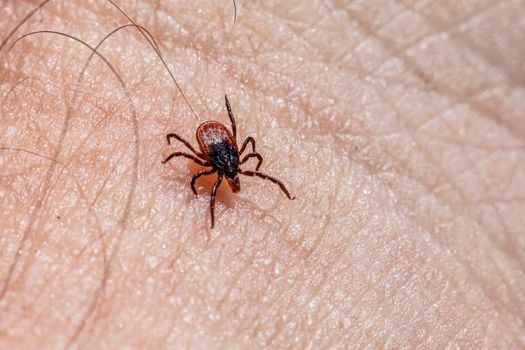
Parasitic skin infections are rampant in tropical climates due to a convergence of environmental and socio-economic factors. The World Health Organization (WHO) estimates that over 1 billion people are at risk of neglected tropical diseases (NTDs), with many caused by skin-dwelling parasites such as mites, lice, and certain nematodes.
.png)
Common parasitic skin infections in these regions include:
- Scabies (caused by $1 mites) - Cutaneous larva migrans (due to hookworm larvae) - Myiasis (infestation with fly larvae) - Tungiasis (infestation by sand fleas)These infections can cause severe itching, pain, secondary bacterial infections, and, in some cases, lead to social stigmatization and reduced quality of life. Transmission is often facilitated by crowded living conditions, poor sanitation, and close contact with infected individuals or animals.
How Stromectol Cream Works Against Parasitic Infections
Stromectol Cream contains ivermectin, a broad-spectrum antiparasitic agent first discovered in the late 1970s. While oral ivermectin has a proven track record for systemic parasitic infections, its topical formulation offers unique advantages for skin-based infestations.
Mechanism of Action: Ivermectin works by binding to special neurotransmitter receptors (glutamate-gated chloride channels) found in nerve and muscle cells of parasites. This disrupts their nervous system, leading to paralysis and death of the parasite.
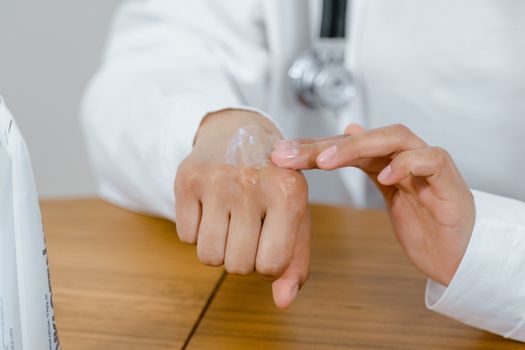
Why Topical Application Matters: - Direct application to the affected area delivers a high local concentration, targeting parasites where they live and breed. - Reduces systemic side effects compared to oral medications. - Minimizes the risk of drug interactions, important in communities with high rates of polypharmacy.A 2020 clinical trial published in the $1 reported that topical ivermectin had a cure rate of 85% for scabies after a single course, with minimal adverse effects. This positions Stromectol Cream as a promising tool not only for treatment but also for proactive prevention in high-risk settings.
Stromectol Cream for Prevention: Evidence and Practical Strategies
Preventing parasitic skin infections in the tropics is challenging. Traditional prevention relies on environmental controls, personal hygiene, and mass drug administration (MDA) programs. Stromectol Cream introduces a new, targeted approach.
Emerging clinical evidence suggests that Stromectol Cream can be used in preventive protocols in several ways:
1. $1: Applying the cream before known exposure (e.g., during outbreaks or fieldwork) can act as a physical and chemical barrier, killing parasites on contact. 2. $1: Application after suspected exposure but before symptoms develop may halt parasite establishment. 3. $1: In endemic villages, periodic mass application of the cream—alongside oral treatments—may reduce overall transmission rates.A 2022 study in rural Ghana found that villages participating in a pilot program using topical ivermectin reported a 40% reduction in new scabies cases compared to villages without the intervention.
Comparing Stromectol Cream and Other Prevention Methods
The effectiveness of Stromectol Cream must be considered alongside other preventive measures, such as oral medications, insect repellents, and personal protective behaviors. The following table highlights key differences:
| Prevention Method | Mode of Action | Advantages | Limitations |
|---|---|---|---|
| Stromectol Cream | Topical antiparasitic; kills parasites on skin contact | High local efficacy, minimal systemic effects, easy to apply | Requires regular re-application; limited by supply and cost |
| Oral Ivermectin | Systemic antiparasitic; kills internal and external parasites | Effective for mass drug administration, treats systemic infections | Potential for systemic side effects; drug interactions |
| Insect Repellents (DEET, permethrin) | Repel insects and some parasites | Widely available, multi-parasite protection | Limited efficacy against mites/larvae; must be frequently reapplied |
| Personal Hygiene & Sanitation | Reduces exposure to parasites | Low cost, broad benefits | Challenging to implement in resource-poor areas |
This comparison illustrates that while no single solution is perfect, integrating Stromectol Cream with other strategies can enhance overall prevention of parasitic skin diseases.
Safety, Accessibility, and Implementation Challenges
For Stromectol Cream to be effective in the prevention of parasitic infections in tropical areas, several practical issues must be addressed:
$1: - Clinical trials indicate that topical ivermectin is generally safe, with adverse reactions such as mild skin irritation occurring in less than 5% of users. - Unlike oral ivermectin, there is minimal risk of systemic toxicity. $1: - As of 2024, the availability of Stromectol Cream in low-income tropical countries remains limited due to regulatory, manufacturing, and cost barriers. - WHO and NGOs are beginning to pilot distribution programs, but wide-scale adoption requires partnerships with local health authorities. $1: - Ensuring consistent supply chains in remote regions. - Educating communities on correct application and the importance of preventive use. - Avoiding the development of resistance—overuse or misuse could theoretically drive parasite adaptation over time, though no resistance to topical ivermectin has yet been documented.Future Directions: Stromectol Cream in Integrated Parasite Control
Looking ahead, Stromectol Cream could become a cornerstone of integrated parasite control strategies in the tropics. Key opportunities include:
- $1: Combining topical and oral therapies for rapid interruption of transmission during outbreaks. - $1: Regular application among children, who are often the most affected group, could reduce community reservoirs of infection. - $1: Ongoing studies are exploring enhanced formulations, combining ivermectin with other agents for broader-spectrum protection.National governments, global health organizations, and pharmaceutical companies are encouraged to collaborate on scaling up access, monitoring efficacy, and ensuring responsible use to minimize the risk of resistance and maximize community benefit.
The Critical Role of Stromectol Cream in Safeguarding Tropical Communities
Parasitic skin infections will remain a persistent public health challenge in tropical regions for the foreseeable future. Stromectol Cream represents an innovative, practical, and effective addition to the preventive toolkit. By targeting parasites directly on the skin, it offers immediate relief and the potential to break transmission cycles when used strategically.
As evidence grows and access improves, the integration of Stromectol Cream into community health programs could significantly reduce the burden of parasitic skin diseases, improve quality of life, and empower vulnerable populations. The journey from treatment to prevention is well underway, and Stromectol Cream is poised to play a pivotal role in this new chapter of tropical medicine.