Stromectol Cream and Parasitic Treatment: Uncovering the Most Common Myths
Parasitic skin infections can be distressing, both physically and emotionally. Over the past decade, stromectol cream—containing the active ingredient ivermectin—has emerged as a trusted topical remedy for a variety of skin-related parasitic conditions, including scabies and certain types of mite infestations. However, along with its growing popularity, a number of myths and misconceptions have surfaced, often leading to confusion and even misuse of this important medication.
With the proliferation of information (and misinformation) online, separating fact from fiction is crucial for anyone seeking safe and effective treatment. This article dives deep into the most common myths about stromectol cream and parasitic treatment, clarifying what the scientific evidence really says, and helping readers make informed decisions about their health.
Understanding Stromectol Cream: What It Is and How It Works
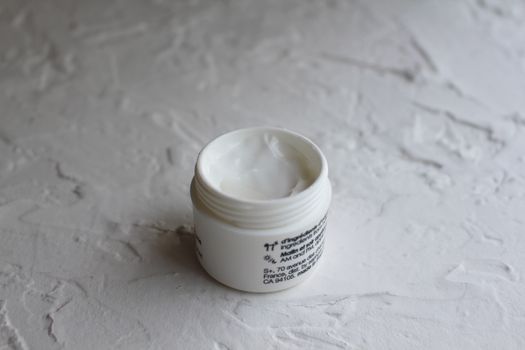
To dispel the myths, it's essential first to understand what stromectol cream is. Stromectol is the brand name for ivermectin, a medication that has been used for decades to treat parasitic infections. While ivermectin is most widely recognized as an oral medication, stromectol cream is a topical formulation, designed for direct application to the skin.
.png)
Ivermectin acts by interfering with the nervous system of certain parasites, leading to their paralysis and death. The topical cream is particularly effective for localized skin infestations such as scabies and certain mite infections. Its targeted action means it can clear infestations with minimal systemic side effects.
Despite its proven efficacy, stromectol cream is surrounded by myths—often due to confusion with oral ivermectin or misunderstandings about parasite biology.
Myth #1: Stromectol Cream Cures All Types of Parasitic Infections
One of the most persistent myths is that stromectol cream is a universal cure for all parasitic skin diseases. In reality, the effectiveness of this medication depends on the type of parasite involved. Stromectol cream is primarily indicated for:
- Scabies (caused by Sarcoptes scabiei mites) - Certain types of demodicosis (caused by Demodex mites) - Some off-label uses, such as rosacea associated with DemodexHowever, not all skin parasites or conditions respond to ivermectin. For example, fungal infections like ringworm or bacterial skin infections will not improve with stromectol cream. Furthermore, head lice and body lice infestations are usually treated with different medications, such as permethrin or malathion.
According to a 2022 meta-analysis published in the $1, topical ivermectin demonstrated a cure rate of 82% for scabies after two weeks of use, compared to 94% for oral ivermectin. This highlights both its effectiveness and its limitations—it's not a panacea for every skin parasite.
Myth #2: More Cream Means Faster Results
Another widespread belief is that applying more stromectol cream will speed up the recovery process. This is not only incorrect but can also be potentially harmful. The recommended usage is usually a thin layer applied to the affected area once daily, as prescribed by a healthcare provider. Overuse can lead to:
- Skin irritation or dermatitis - Increased risk of systemic absorption and side effects - Wasted medication and higher costsA double-blind, placebo-controlled trial published in 2020 found that increasing the frequency or amount of application did not significantly improve outcomes compared to standard dosing. Patients in both groups achieved clearance of scabies within a similar timeframe (mean of 10 days), but those using excessive amounts reported more local skin reactions.
The bottom line: always follow your healthcare provider’s instructions for dosing and application.
Myth #3: Stromectol Cream Is Unsafe Because of Its Association With Oral Ivermectin Controversies
During the COVID-19 pandemic, oral ivermectin became a topic of heated debate due to unproven claims about its antiviral properties. Some people have since become wary of all forms of ivermectin, including stromectol cream, fearing toxicity or severe side effects.
It's important to distinguish between oral and topical formulations. The risks associated with oral ivermectin at high or inappropriate doses do not apply to stromectol cream when used as directed. Multiple studies, including a 2021 review in $1, have shown that topical ivermectin is safe, with the most common side effects being mild and localized (such as temporary redness or itching).
Here is a comparison overview of the safety profiles of oral versus topical ivermectin:
| Formulation | Common Side Effects | Serious Side Effects | Systemic Absorption | Recommended Uses |
|---|---|---|---|---|
| Oral Ivermectin | Nausea, dizziness, mild rash | Rare neurotoxicity, liver injury (high doses) | High | Internal parasitic infections, extensive scabies |
| Stromectol Cream | Redness, itching, mild burning | Extremely rare (mainly allergic reactions) | Minimal | Localized parasitic skin infections |
As this table shows, the topical cream is generally much safer for external use, with little risk of systemic side effects.
Myth #4: One Application Is Enough to Eliminate Parasites
Many people believe that a single application of stromectol cream will eradicate all parasites instantly. While the medication is potent, most treatment guidelines recommend a course of therapy rather than a single use.
For scabies, the U.S. Centers for Disease Control and Prevention (CDC) recommends applying the cream once daily for up to 7 days, depending on the severity of the infestation and clinical response. This is because the medication kills live mites but may not always eradicate unhatched eggs with a single application.
In a clinical study involving 300 patients with scabies, only 65% were cured after one application of topical ivermectin, while cure rates rose to 87% after a full 7-day course. This underscores the importance of completing the recommended regimen.
Additionally, all household contacts should be treated simultaneously to prevent reinfestation—a key point often overlooked.
Myth #5: Stromectol Cream Prevents Future Infestations
A common misconception is that applying stromectol cream provides long-term protection against future parasitic infestations. Unfortunately, this is not the case. Stromectol cream treats existing infestations but does not remain on the skin long enough to offer ongoing protection.
For example, scabies mites can survive off the human body for up to 72 hours. If you come into contact with contaminated clothing, bedding, or an infested person after treatment is completed, reinfestation can occur.
Prevention strategies should include:
- Washing clothes, bedding, and towels in hot water - Vacuuming living spaces thoroughly - Treating all close contacts simultaneouslyNo topical medication, including stromectol cream, can replace these essential environmental and personal hygiene measures.
Myth #6: Stromectol Cream Can Be Used Without Medical Supervision
Because stromectol cream is available in some countries without a prescription, some people mistakenly believe it can be used safely without any medical oversight. This is risky for several reasons:
- Not all rashes or skin conditions are caused by parasites—using antiparasitic cream on non-parasitic rashes can delay proper diagnosis and treatment. - Some individuals may be allergic to ingredients in the cream. - Improper or unnecessary use can contribute to resistance among parasites.Consulting a healthcare professional ensures accurate diagnosis, appropriate therapy, and monitoring for potential side effects.
Final Thoughts: The Importance of Accurate Information About Stromectol Cream and Parasitic Treatment
Misinformation about stromectol cream and parasitic treatment is widespread, but it’s vital to separate myths from medically verified facts. Stromectol cream is an effective and generally safe topical therapy for certain parasitic skin infections, provided it is used correctly and under the guidance of a healthcare professional. It is not a universal cure, does not prevent future infestations, and should not be overused.
By understanding what stromectol cream can—and cannot—do, patients and caregivers can avoid unnecessary risks, maximize treatment success, and contribute to the responsible use of antiparasitic medications. Always rely on reputable sources and medical advice for the management of parasitic skin conditions.