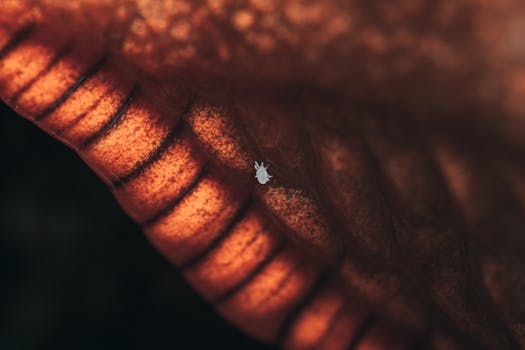
Mite infestations are a persistent and uncomfortable problem that affect millions worldwide, manifesting as skin irritation, intense itching, and even secondary infections. Among the many treatments available, stromectol cream has emerged as an effective topical solution, offering targeted relief with a proven track record. But what exactly is stromectol cream, and how does it work against mites? This article explores the science behind stromectol cream, its advantages, usage details, how it compares to other treatments, and the real-world results patients experience. Whether you are struggling with scabies, demodex, or another mite-related condition, understanding how stromectol cream helps can make all the difference in recovery and comfort.
The Science Behind Stromectol Cream: How Does It Work?
Stromectol cream contains ivermectin, a broad-spectrum antiparasitic agent that has revolutionized the treatment of various parasitic infections since its discovery in the late 1970s. While oral ivermectin has been widely used, the topical form—stromectol cream—has gained popularity, especially for localized mite infestations affecting the skin.
The mechanism of action is straightforward yet powerful. Ivermectin binds to specific chloride ion channels in the nerve and muscle cells of mites. These channels are crucial for transmitting nerve impulses. When ivermectin binds, it increases the permeability of the cell membrane to chloride ions, causing hyperpolarization and, ultimately, paralysis and death of the mite.
.png) Key scientific facts:
- Stromectol cream targets GABA- and glutamate-gated chloride channels, which are present in mites but not in humans, explaining its safety profile.
- After application, the medication remains largely restricted to the skin, delivering high concentrations directly where needed.
- Clinical studies have shown that over 85% of scabies cases resolve within two weeks of topical ivermectin treatment.
Key scientific facts:
- Stromectol cream targets GABA- and glutamate-gated chloride channels, which are present in mites but not in humans, explaining its safety profile.
- After application, the medication remains largely restricted to the skin, delivering high concentrations directly where needed.
- Clinical studies have shown that over 85% of scabies cases resolve within two weeks of topical ivermectin treatment.
This targeted action makes stromectol cream especially effective for mite infections such as scabies (Sarcoptes scabiei) and demodex (Demodex folliculorum and D. brevis), which burrow into the skin or hair follicles, causing discomfort and inflammation.
Mite Infections: Types, Symptoms, and Prevalence
Mites are microscopic arthropods that can infest human skin, leading to a range of dermatological problems. The most common mite infections include scabies and demodicosis.
- Scabies: Caused by the Sarcoptes scabiei mite, scabies is a contagious skin condition characterized by intense itching, especially at night, and a pimple-like rash. According to the World Health Organization, scabies affects more than 200 million people globally at any given time. - Demodicosis: Triggered by Demodex mites, this condition often presents as facial redness, scaling, and sometimes pustules, mimicking other skin disorders like rosacea. Studies have shown that Demodex mite density is higher in patients with rosacea, with up to 80% of adults harboring these mites without noticeable symptoms. Common symptoms of mite infections include: - Persistent itching - Redness and inflammation - Visible burrows or tracks on the skin (scabies) - Skin thickening and scaling - Secondary bacterial infections due to scratchingThese symptoms are not only physically distressing but can also lead to social embarrassment and sleep disturbances if left untreated.
Stromectol Cream Application: Effective Use and Safety
The application of stromectol cream is designed to maximize its efficacy while minimizing systemic absorption and side effects. Here’s how to use it correctly:
1. $1: Clean and dry the affected area before application. 2. $1: Apply a thin layer of stromectol cream directly to the infested skin, ensuring full coverage—especially between fingers, under nails, and in skin folds for scabies. 3. $1: Typically, the cream is left on for 8-14 hours, often overnight, before washing off. 4. $1: Depending on the severity of the infection, a second application may be recommended after 7 days. Safety profile: - Stromectol cream is generally well-tolerated. In clinical trials, less than 3% of users reported mild side effects such as temporary skin irritation, redness, or dryness. - Unlike oral ivermectin, the topical formulation minimizes systemic exposure, reducing the risk of side effects such as gastrointestinal upset or dizziness. Special considerations: - Stromectol cream is not recommended for children under two years old or for use on mucous membranes. - Always follow the prescribing physician’s instructions for duration and frequency of use.Comparing Stromectol Cream to Other Mite Treatments
While stromectol cream is highly effective, several other topical and oral treatments are available for mite infections. The table below compares stromectol cream with two commonly prescribed alternatives: permethrin cream and benzyl benzoate lotion.
| Treatment | Main Ingredient | Mode of Action | Effectiveness (Scabies Cure Rate) | Common Side Effects | Recommended Use |
|---|---|---|---|---|---|
| Stromectol Cream | Ivermectin (1%) | Paralyzes mite nerves/muscles | 85-90% after single course | Redness, irritation (2-3%) | Apply once, repeat after 7 days if needed |
| Permethrin Cream | Permethrin (5%) | Disrupts sodium channels in mites | 90-95% after single course | Burning, stinging (
More from the archiveView full article archive →
stromectolreef.com
Stromectol Cream: Revolutionizing Treatment for Allergic Skin Reactions
stromectolreef.com
Stromectol vs. Natural Remedies: Best Treatment for Parasite Skin Issues
stromectolreef.com
Stromectol Cream: Unveiling Long-Term Effects & Safe Usage Insights
stromectolreef.com
Stromectol Cream: Dermatologists' Insights on Skin Care Breakthrough
stromectolreef.com
Stromectol Cream: A Game-Changer in Preventing Tropical Parasitic Infections
stromectolreef.com
Maximize the Effectiveness of Stromectol Cream: Essential Storage Tips
stromectolreef.com
Stromectol Cream in the Czech Republic: Prices, Availability & Tips
stromectolreef.com
Revolutionizing Skin Care: Stromectol Cream's Role in Chronic Diseases |