The Evolution of Ivermectin as a Disease-busting Drug: From Discovery to Modern Medicine
Ivermectin is a name that has sparked interest, debate, and celebration across the world of medicine. While many know it as a transformative anti-parasitic medication, its story is far from simple. Over the last four decades, ivermectin has evolved from a groundbreaking veterinary drug to a staple in human medicine, earning a Nobel Prize in 2015 and changing the outlook for millions affected by neglected tropical diseases. But its journey is also marked by scientific curiosity, global health campaigns, and even controversy in the face of new diseases. This article explores the dynamic evolution of ivermectin, tracing its path as a disease-busting drug and examining why its legacy continues to grow.
The Discovery That Changed Medicine: Ivermectin’s Origins
The story of ivermectin begins in the late 1970s at the Kitasato Institute in Japan. Dr. Satoshi Ōmura, a microbiologist, isolated thousands of soil samples in search of new compounds with medicinal potential. One such sample, containing a strain of $1, produced a unique substance: avermectin. When tested by Dr. William C. Campbell at Merck, avermectin showed remarkable anti-parasitic properties. Through chemical modification, avermectin became ivermectin, a safer and more effective derivative.
By 1981, ivermectin was approved for animal use, rapidly becoming the world’s leading anti-parasitic treatment in veterinary medicine. The leap to human medicine came soon after, with trials in the 1980s demonstrating its efficacy against river blindness (onchocerciasis) — a disease that had blinded millions in Africa and Latin America. The impact was so profound that Ōmura and Campbell received the Nobel Prize in Physiology or Medicine in 2015.
.png) Key facts:
- Ivermectin is derived from $1, discovered in Japanese soil.
- Approved for veterinary use in 1981 and for human use in 1987.
- Over 3.7 billion doses have been distributed worldwide for various diseases.
Key facts:
- Ivermectin is derived from $1, discovered in Japanese soil.
- Approved for veterinary use in 1981 and for human use in 1987.
- Over 3.7 billion doses have been distributed worldwide for various diseases.
Transforming Global Health: Ivermectin’s Role in Disease Elimination
Ivermectin’s approval for human use marked a turning point in the fight against neglected tropical diseases (NTDs). Its greatest triumphs are seen in mass drug administration (MDA) campaigns targeting onchocerciasis (river blindness) and lymphatic filariasis (elephantiasis).
The Mectizan Donation Program, launched by Merck in 1987, provided free ivermectin to those at risk of river blindness. In partnership with the World Health Organization (WHO) and NGOs, this initiative has distributed more than 4 billion treatments, reducing river blindness prevalence by over 70% in endemic regions. Some countries, like Colombia and Ecuador, have declared river blindness eliminated thanks to sustained ivermectin use.
Lymphatic filariasis, another debilitating NTD, has also seen dramatic declines. By 2022, over 900 million people in 47 countries had received ivermectin as part of elimination programs targeting this mosquito-borne disease.
Ivermectin’s utility does not end here. It is also used to treat scabies, strongyloidiasis, and other parasitic infections, further broadening its impact.
Beyond Parasites: Investigating Ivermectin’s Expanding Medical Potential
As ivermectin’s success in parasitic diseases grew, researchers began probing its mechanisms and potential applications beyond traditional uses. Ivermectin targets glutamate-gated chloride channels in nerve and muscle cells of invertebrates, paralyzing and killing parasites. This selectivity makes it safe for humans at prescribed doses.
Intriguingly, studies have suggested that ivermectin also exhibits antiviral, antibacterial, and even anti-inflammatory properties in laboratory settings. For example, in vitro research has shown that ivermectin can inhibit the replication of viruses such as Zika, dengue, and even SARS-CoV-2 (the virus responsible for COVID-19). However, these findings often involve concentrations much higher than those achievable with standard human dosing, and clinical evidence remains limited.
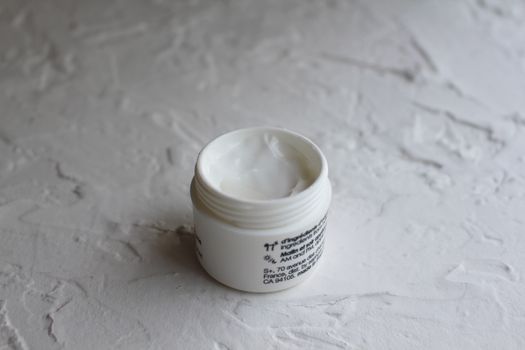
The exploration of ivermectin as an adjunct therapy in rosacea and other skin conditions highlights its anti-inflammatory effects. In 2014, the FDA approved a topical ivermectin cream for the treatment of rosacea, expanding its footprint in dermatology.
Ivermectin in the Age of Pandemics: Lessons from the COVID-19 Debate
The COVID-19 pandemic thrust ivermectin back into the global spotlight, but this time amid controversy. Early in the pandemic, laboratory studies suggested that ivermectin could reduce the replication of the SARS-CoV-2 virus. This led to a surge in interest and off-label use, particularly in countries with limited access to vaccines or other antiviral drugs.
However, large-scale clinical trials and meta-analyses have not confirmed a significant benefit of ivermectin for COVID-19 treatment or prevention. The World Health Organization, the U.S. Food and Drug Administration, and other health authorities have recommended against its use for COVID-19 outside of clinical trials. Safety concerns also arose from misuse and overdosing, especially with veterinary formulations.
The ivermectin-COVID-19 saga underscores the importance of rigorous clinical testing and clear communication in public health. While ivermectin remains a lifesaver for parasitic diseases, its role in viral infections is not supported by current scientific consensus.
Comparing Ivermectin: Efficacy, Safety, and Global Reach
How does ivermectin stack up against other anti-parasitic drugs? The table below provides a snapshot comparison of ivermectin with two other commonly used agents: albendazole and praziquantel.
| Drug | Main Uses | Global Distribution (Doses/year) | Key Side Effects | WHO Essential Medicines List |
|---|---|---|---|---|
| Ivermectin | Onchocerciasis, lymphatic filariasis, scabies, strongyloidiasis | ~470 million (2022) | Itching, mild rash, rare neurological effects | Yes |
| Albendazole | Soil-transmitted helminths, lymphatic filariasis, neurocysticercosis | ~400 million (2022) | Abdominal pain, liver function changes | Yes |
| Praziquantel | Schistosomiasis, tapeworm infections | ~200 million (2022) | Nausea, abdominal pain, headache | Yes |
This comparison highlights why ivermectin remains a preferred option for specific diseases, particularly where community-wide treatment is essential.
Challenges and the Future: Ivermectin Resistance and Innovation
No drug is without its challenges, and ivermectin is no exception. The widespread and repeated use of ivermectin in both humans and animals has raised concerns about the development of drug resistance. Evidence of resistance has emerged in veterinary medicine, especially among livestock parasites, and researchers are closely monitoring for signs of resistance in human parasites.
To address these concerns, scientists are investigating combination therapies (such as ivermectin plus albendazole) and developing new formulations to maintain efficacy. Furthermore, the search for next-generation anti-parasitic drugs continues, with ivermectin serving as both inspiration and benchmark.
On the regulatory front, efforts are underway to ensure that quality-assured ivermectin remains accessible for those who need it most, especially in low-income regions. The success of community-directed treatment strategies, pioneered with ivermectin, is now being adapted for other diseases, reinforcing ivermectin’s role not just as a drug, but as a model for global health delivery.
Why Ivermectin’s Evolving Legacy Matters
Ivermectin’s journey from a soil microbe in rural Japan to a cornerstone of global health exemplifies the power of scientific discovery and international collaboration. Over 3.7 billion doses have been administered, saving sight, improving lives, and offering hope against diseases once considered intractable. Its utility in combating NTDs has helped countries achieve elimination milestones once thought impossible.
At the same time, ivermectin’s story is a lesson in scientific humility and the need for ongoing research. While it continues to provide immense value, its limitations and the emergence of resistance highlight the importance of stewardship and innovation. The future of ivermectin will depend on how scientists, clinicians, and policymakers navigate these challenges, and how new discoveries build on its enduring foundation.