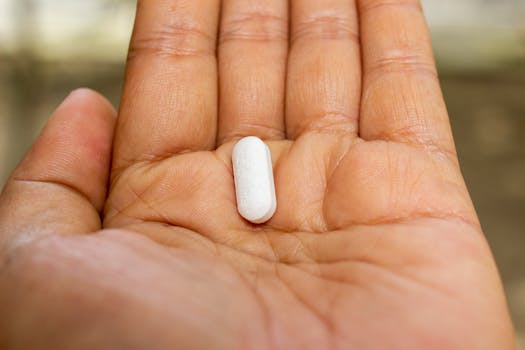
Stromectol, known generically as ivermectin, stands as one of the most widely used antiparasitic medications in the world. With its roots in veterinary medicine and its significant impact on human health, especially in combating diseases like onchocerciasis (river blindness) and strongyloidiasis, understanding the proper dosage and administration of Stromectol is crucial. This article delves deeply into the specifics of Stromectol dosing, methods of administration, key safety considerations, and how its use differs across various conditions and patient groups.
Breaking Down Stromectol: What Is It and Why Dosage Matters
Stromectol (ivermectin) is an oral antiparasitic medication first approved for human use in 1987. Its mechanism of action involves binding to glutamate-gated chloride channels in the nerve and muscle cells of invertebrates, leading to paralysis and death of the parasite. As of 2023, Stromectol has been administered to over 3.7 billion people globally, according to the World Health Organization (WHO), primarily to treat neglected tropical diseases.
Correct dosage is critical: underdosing may lead to treatment failure and resistance, while overdosing increases the risk of adverse effects. The optimal dose depends on factors such as the specific infection, patient’s weight, age, and overall health. Unlike many antibiotics, Stromectol is not typically given in long courses or repeated doses without clear medical indication, making each administration significant for effectiveness and safety.
.png)
Standard Stromectol Dosage Guidelines by Condition
Stromectol’s dosage is primarily determined by body weight and the condition being treated. It is available in 3 mg tablet form, and doses are typically calculated on a microgram per kilogram (mcg/kg) basis.
Below is a comparative table summarizing standard dosing for common indications:
| Condition | Standard Adult Dose | Dosing Frequency | Special Considerations |
|---|---|---|---|
| Strongyloidiasis | 200 mcg/kg (single dose) | Once | Repeat after 2 weeks if needed |
| Onchocerciasis | 150 mcg/kg (single dose) | Every 6-12 months | Repeat dosing based on microfilaria presence |
| Scabies | 200 mcg/kg | Usually 2 doses, 7 days apart | Skin eruptions may persist after mites are killed |
| Head Lice | 200 mcg/kg | Repeat after 7 days | Combine with topical therapy for best results |
For children over 15 kg, similar weight-based dosing applies, though pediatric use should always be directed by a healthcare professional due to differences in metabolism and safety profiles.
How to Take Stromectol: Administration Best Practices
Correct administration of Stromectol enhances its absorption and efficacy. Here are essential guidelines:
1. Take on an empty stomach: Stromectol is best absorbed when taken with water on an empty stomach, at least one hour before or two hours after a meal. A pharmacokinetic study published in Antimicrobial Agents and Chemotherapy found that taking ivermectin with a high-fat meal can increase absorption by up to 2.5 times, which may unintentionally raise the risk of side effects. 2. Swallow tablets whole: Do not crush or chew the tablets. If a child cannot swallow tablets, consult a doctor or pharmacist for alternatives. 3. Accurate dosing: Dosage is based on body weight. For example, a 70 kg adult with strongyloidiasis would require 14 mg (70 x 200 mcg = 14,000 mcg, or 14 mg), typically given as five 3 mg tablets (15 mg total). 4. Adherence to schedule: For multi-dose protocols (such as for scabies or head lice), it’s important to take each dose as prescribed, even if symptoms improve after the first dose. 5. Follow-up: A follow-up examination may be necessary to ensure the infection is fully cleared, particularly for persistent conditions like strongyloidiasis.Dosage Adjustments: Special Populations and Considerations
Not every patient fits the standard dosing protocol. Several factors may necessitate adjustment:
- $1 Clinical trials have shown no significant difference in efficacy or safety in elderly versus younger adults, but doctors may start at the lower end of the dosing range, especially if there is diminished liver function. - $1 Since Stromectol is metabolized in the liver, caution is warranted in patients with hepatic impairment. It is not recommended in severe liver disease without close monitoring. - $1 The safety of Stromectol in pregnancy is not fully established. While some studies indicate low risk, the Centers for Disease Control and Prevention (CDC) recommends using it in pregnancy only if the potential benefit outweighs the risk. For breastfeeding mothers, ivermectin is excreted in low concentrations in breast milk, but clinical effects in infants are considered unlikely based on limited data. - $1 Stromectol is not approved for use in children weighing less than 15 kg due to insufficient safety data. - $1 In patients with compromised immune systems (e.g., HIV/AIDS), higher or repeated doses may be required, and close monitoring for adverse effects is essential.Potential Side Effects and What to Watch For
Stromectol is generally well-tolerated, but like all medications, it can cause side effects. According to a review in the New England Journal of Medicine, side effects are reported in up to 10% of patients but are usually mild and transient.
Common side effects include: - Dizziness - Nausea - Diarrhea - Fatigue - Itching Rare, but serious, adverse events can occur, especially in patients with heavy parasite loads: - Severe allergic reactions (anaphylaxis) - Low blood pressure - SeizuresAdditionally, in onchocerciasis, the dying microfilariae can cause the Mazzotti reaction, which includes fever, rash, muscle and joint pain, and swollen lymph nodes. This is a response to the death of the parasites, not to the drug itself.
Patients are advised to seek medical attention if they experience confusion, loss of consciousness, severe rash, or difficulty breathing after taking Stromectol.
Drug Interactions and Precautions with Stromectol
While Stromectol has a favorable interaction profile, certain medications and conditions warrant caution:
- $1 Co-administration with drugs like albendazole or ketoconazole can alter ivermectin levels in the body, potentially increasing side effects. - $1 Ivermectin can increase the effect of warfarin, raising the risk of bleeding. - $1 Drugs that suppress the immune system may require dosage adjustments of Stromectol to achieve effective parasite clearance. - $1 Stromectol should be used with caution in patients with a history of seizures or other neurological conditions due to rare reports of neurotoxicity.Before starting Stromectol, inform your doctor about all medications you are taking, including over-the-counter supplements and herbal products.
Why Proper Stromectol Dosage and Administration Is Essential
The global success of Stromectol in fighting parasitic diseases is due not only to its potent antiparasitic action but also to the careful adherence to dosing and administration guidelines. Inappropriate use, such as overuse or incorrect dosing, can lead to drug resistance, treatment failures, or unnecessary side effects. With billions of doses dispensed worldwide, the medical community relies on evidence-based protocols to maximize patient outcomes and minimize risks.
Public health programs, such as the African Programme for Onchocerciasis Control, have demonstrated that strict adherence to dosing schedules dramatically reduces disease prevalence and improves quality of life for affected communities. As research continues, new uses and adjusted dosing regimens may emerge, but the fundamental principles of calculating dose by weight, timing administration, and monitoring for side effects remain the cornerstone of safe Stromectol use.