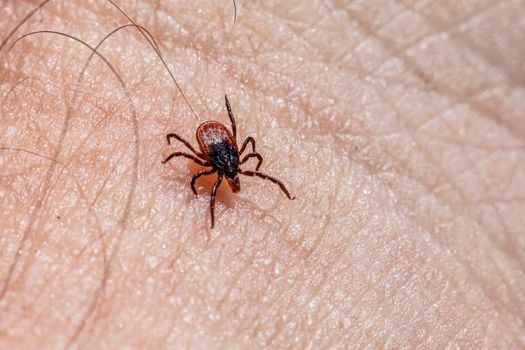
Stromectol, also known by its generic name ivermectin, is a medication that has been in use for several decades, primarily for treating a variety of parasitic infections such as river blindness and intestinal strongyloidiasis. While its primary function is to combat these infections, recent discussions have turned towards its potential effects on heart health. This article explores the relationship between Stromectol and cardiovascular wellness, providing key insights for those concerned about heart health.
How Stromectol Works
Ivermectin, the active ingredient in Stromectol, targets and incapacitates parasites by binding to their glutamate-gated chloride channels, which are crucial for nerve and muscle function in these organisms. By increasing the permeability of the cell membranes to chloride ions, ivermectin causes hyperpolarization, effectively paralyzing and then killing the parasites.
.png)
Stromectol and Heart Health
It’s important to clarify that the human heart does not possess glutamate-gated chloride channels, suggesting that Stromectol does not directly impact the heart in the manner it affects parasites. However, like all medications, Stromectol can have secondary effects or interact with other drugs in ways that could influence heart health.
Safety and Side Effects
Ivermectin is generally recognized as safe for human use when prescribed and administered correctly. The majority of side effects linked to ivermectin are mild and temporary, including symptoms such as dizziness, nausea, or diarrhea. These side effects are typically not associated directly with cardiac health.
Nevertheless, it’s crucial for individuals with pre-existing heart conditions or those taking other heart-related medications to consult with a healthcare provider before beginning treatment with Stromectol. Although the direct impact on the heart is minimal, interactions with other cardiovascular medications could present risks.
Drug Interactions
Particular attention should be given to interactions between Stromectol and other medications, especially those affecting blood pressure or blood coagulation, such as blood thinners. Since ivermectin can influence liver enzymes that metabolize drugs, it might alter the levels and effects of other medications in the bloodstream, potentially leading to adverse outcomes.
Cardiovascular Wellness
There is no evidence to suggest that Stromectol actively contributes to or enhances cardiovascular health. Its benefits are primarily seen in its ability to treat and manage parasitic infections. Maintaining heart health involves a holistic approach including diet, exercise, regular medical check-ups, and adherence to prescribed medications for existing conditions.
Conclusion
In summary, while Stromectol is an effective medication for the treatment of certain parasitic infections, its impact on heart health is generally minimal when used correctly. However, due to potential drug interactions and secondary effects, it is vital for patients, particularly those with existing cardiovascular issues, to consult healthcare professionals before starting treatment. This ensures the safe and effective use of Stromectol, minimizing any unintended effects on heart health.