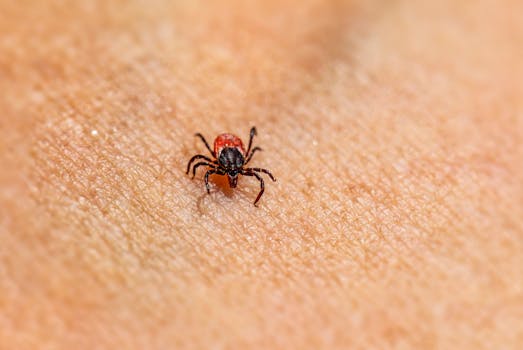
Ivermectin, marketed under the brand name Stromectol among others, is a medication that has been a cornerstone in the fight against certain parasitic infections since its approval in the 1980s. It is primarily used to treat conditions such as river blindness (onchocerciasis), scabies, and head lice. Known for its effectiveness, Stromectol has played a significant role in reducing the burden of these diseases, particularly in areas where they are endemic.
Mechanism of Action
Ivermectin operates by binding to parts of the muscle and nerve cells of parasites, causing paralysis and eventual death of the parasites. Its target is specifically the invertebrate muscle and nerve cells, which is why it is considered safe for humans when taken in prescribed doses.
.png)
Short-term Safety Profile
The short-term use of Stromectol is generally considered safe with mild side effects. Common adverse effects include dizziness, nausea, fatigue, and skin rash, most of which resolve without any need for additional medical treatment. These effects are typically mild and do not outweigh the benefits of its use in combating parasitic infections.
Long-term Effects
Liver Health
The liver metabolizes ivermectin, and there is evidence to suggest that long-term exposure could potentially lead to liver damage. This is indicated by elevated liver enzymes observed in some long-term users, which can signal liver stress or damage. Monitoring liver function may be advisable for patients on long-term ivermectin therapy.
Neurological Impact
While rare, there have been instances where high doses of ivermectin were linked with neurotoxicity. Symptoms such as tremors, disorientation, and seizures have been observed. These symptoms are typically associated with dosages much higher than those prescribed for parasitic infections and are usually reversible upon discontinuation of the drug.
Immune System Modulation
Ivermectin has been shown to modulate the immune response, which can help reduce inflammation associated with parasitic infections. However, there's a potential that this modulation could suppress the immune system's ability to combat other infections or possibly trigger autoimmune issues. The balance between immune modulation and suppression needs further investigation.
Microbiome Effects
The long-term impacts of ivermectin on the human microbiome are not well understood. Given the crucial role of the microbiome in human health, altering it through prolonged use of any antimicrobial could have significant, yet unpredictable, consequences.
Conclusion
Stromectol remains a vital medication for treating parasitic infections, with a well-established safety profile in short-term use. However, the long-term use of any medication requires careful consideration and monitoring. Further research is needed to fully understand the implications of prolonged ivermectin use. Patients should always follow their healthcare provider’s guidance regarding treatment duration and dosages to minimize potential risks. As with all medications, the benefits of using ivermectin should be weighed against the risks, particularly for long-term treatment scenarios.
In the management of parasitic infections, Stromectol continues to be a preferred choice under proper medical supervision, ensuring its benefits are maximized while minimizing any potential adverse effects.