Stromectol: A Milestone in Global Health and Drug Development
Stromectol, the brand name for ivermectin, stands as a testament to the power of scientific discovery and its profound impact on global health. This article traces the journey of Stromectol from its origins to its pivotal role in combating parasitic diseases, and explores its ongoing contributions to medicine.
Discovery and Development
.png)
The story of Stromectol begins in the late 1970s with the discovery of avermectins by microbiologist Satoshi Ōmura and parasitologist William Campbell. Their research on soil-dwelling bacteria unearthed Streptomyces avermitilis, a bacterium that produced compounds effective against parasites. This discovery paved the way for the development of ivermectin, the active ingredient in Stromectol, first marketed by Merck & Co. in the early 1980s.
Initially used in veterinary medicine, the drug's potential for human applications quickly became evident. It gained approval for human use shortly thereafter, offering a highly effective treatment against several parasitic worms, including those responsible for causing devastating diseases like river blindness and lymphatic filariasis.
Impact on Public Health
Stromectol's influence on public health has been monumental, particularly in its role against river blindness in African regions. By killing the larvae of the Onchocerca volvulus worm, the drug breaks the disease's lifecycle, preventing both the disease's progression and the severe dermatological and ocular symptoms associated with it. Mass drug administration programs utilizing Stromectol have dramatically reduced the incidence of this and other diseases, showcasing the drug's efficacy and the power of well-orchestrated public health initiatives.
Broader Applications and COVID-19
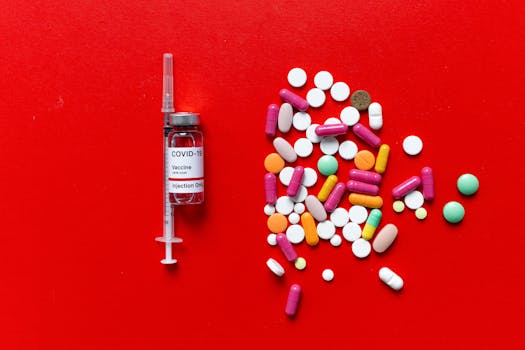
Research into Stromectol's potential beyond parasitic infections has been ongoing. During the COVID-19 pandemic, ivermectin received considerable attention as a possible treatment against the virus. Despite initial enthusiasm, clinical outcomes have been inconclusive, and leading health authorities have advised against its use for COVID-19 outside of clinical trials, citing a lack of sufficient evidence for its efficacy against the virus.
Challenges and Collaborations in Drug Distribution
The development and distribution of Stromectol underscore the complexities of bringing a pharmaceutical product to market, which involves rigorous testing for safety and efficacy. Merck & Co.'s commitment to fighting global diseases is evident in their donation of millions of doses to combat river blindness and lymphatic filariasis, reflecting the critical role of partnerships among governments, NGOs, and the private sector in addressing health crises.
Future Prospects
The ongoing evolution of Stromectol's role in global health highlights the need for continued research and development. As issues like drug resistance emerge, the medical and scientific communities must innovate and adapt. The history of Stromectol serves as a foundation for future efforts in drug development and disease eradication, underscoring the importance of sustained scientific inquiry and collaboration.
Conclusion
From its groundbreaking discovery to its significant impact on treating parasitic diseases, Stromectol exemplifies how scientific innovation can lead to remarkable improvements in global health. As the medical community moves forward, the lessons learned from Stromectol's development and application will continue to influence new strategies for combating health challenges worldwide. This journey not only reflects the achievements of past and present but also inspires a future where such breakthroughs continue to enhance public health on a global scale.